

Quick Answer
If red light therapy isn't working for you, the cause is usually one of a few common mistakes, not the therapy itself. The most frequent culprits are standing too far from the panel, sessions that are too short or too infrequent, and expecting results after just a few uses instead of giving it several weeks of consistent exposure. Photobiomodulation is cumulative and dose dependent, so fixing distance, session length and consistency together is usually enough to turn things around.
You bought the panel. You've used it a handful of times. And nothing seems to be happening.
If red light therapy isn't working for you, you're not alone, and it's rarely the technology itself that's the problem.
Photobiomodulation, the science behind red light therapy, is genuinely well studied. But it's also sensitive to a handful of details that are easy to get wrong, especially when you're new to it.
This guide walks through the most common mistakes stopping people from seeing results, and exactly how to fix each one.
The good news is that none of these fixes are complicated or expensive. Most come down to small adjustments in how close you sit, how often you show up, and how patient you're willing to be while the effect builds underneath the surface.
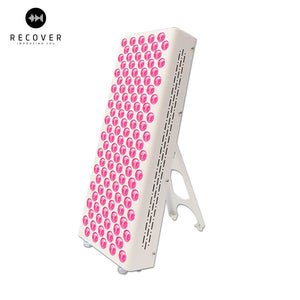
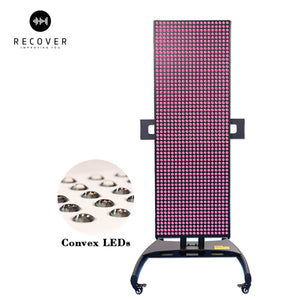
[[product:full-body-red-light-therapy-panel]]
Why Red Light Therapy Results Take Time?
Before troubleshooting anything, it helps to reset expectations. Red light therapy was never designed to work like a single, dramatic treatment.
It's Cumulative, Not Instant
Each session provides a light stimulus. Your cells respond, recover and adapt, then the next session provides another stimulus. This is much closer to how exercise works than how a painkiller works.
You wouldn't expect one workout to transform your fitness. Red light therapy follows the same logic, it's the accumulation of consistent sessions over weeks that produces visible change, not any single treatment.
If you've only used your panel a handful of times, red light therapy isn't failing you, you simply haven't given it enough repeated exposure yet.
It also helps to remember why photobiomodulation works this way in the first place. Light energy absorbed by your cells' mitochondria supports how efficiently they produce usable energy. That process compounds session after session, rather than resetting each time, which is exactly why consistency matters more than any single powerful session.
The Mistakes Holding Back Your Results
Once expectations are realistic, most remaining problems come down to a short list of fixable habits.
Wrong Distance and Session Length
Standing too far from the panel is one of the most common issues. Red and near-infrared light intensity drops off quickly with distance, so a panel that's effective at 15cm may do almost nothing at arm's length.
Check your specific panel's recommended distance, most facial and targeted panels work best somewhere between 15cm and 30cm from the skin, and stick to it consistently.
Session length matters too. Cutting a session short to save time, or stretching it far beyond what's recommended, both work against you. Follow the guidance for your panel rather than guessing.
It's worth actually measuring your distance the first few times rather than eyeballing it. A tape measure or even a marked spot on the floor takes the guesswork out, and once you know where to stand, it becomes second nature.
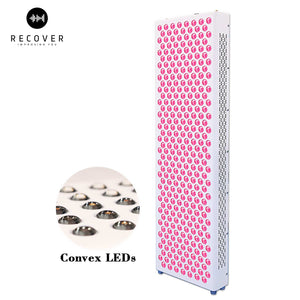
[[product:lux-red-light-therapy-bed]]
Inconsistent Use
Using red light therapy three times one week and not at all the next is one of the biggest silent killers of results.
Because the effect builds through repeated exposure, gaps in your routine essentially reset the clock. Three or four sessions a week, every week, beats seven sessions crammed into one enthusiastic week followed by nothing for a month.
If consistency is the issue, it usually comes down to convenience. A panel that's awkward to set up gets used less often, which quietly undermines the entire routine.
Skin Barriers Blocking the Light
Makeup, sunscreen, thick moisturiser or even certain fabrics between the panel and your skin can all reduce how much light actually reaches your cells.
For facial or skin-focused sessions, use red light therapy on clean, bare skin whenever possible. Save your skincare routine for after the session, not before it.
Clothing can create the same problem for body sessions. A thin t-shirt might feel like nothing, but it still blocks a meaningful amount of light from reaching the skin underneath. Where it's practical and comfortable, exposing bare skin to the panel gets you a far more effective session.
How to Fix Your Red Light Therapy Routine?
Once you know what's likely going wrong, fixing it is usually straightforward.
Getting the Basics Right
- Position yourself at your panel's recommended distance, every session, not just when you remember.
- Use the full recommended session length, typically 10–20 minutes depending on the panel and goal.
- Aim for 3–5 sessions a week, consistently, rather than occasional long sessions.
- Cleanse skin before facial or skin-focused sessions to remove barriers to light penetration.
- Give it at least 4–8 weeks of consistent use before judging whether it's working.
Choosing the Right Panel for Your Goal
Part of the problem can also be using the wrong panel for your goal. A small facial panel won't effectively treat a large area like your back or legs, and a large full-body panel can be impractical for quick, frequent facial sessions.
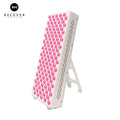
The Recover RP600 Facial Red Light Therapy Panel is built specifically for face and targeted use, while the RP1500 and RP5000 suit larger areas. Our guide to choosing the right panel for your wellness goals walks through this in more detail.
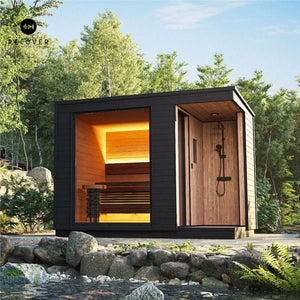
[[product:compact-red-light-therapy-panel]]
Tracking Results Properly
Without some way of tracking progress, it's easy to assume nothing is happening when small changes are actually building underneath the surface.
Take a simple photo under consistent lighting once a week rather than relying on memory. Note how your skin, sleep or energy feels, not just how it looks. Small, gradual shifts are far more common than dramatic, obvious ones.
A short weekly note, even just a couple of lines, can also reveal patterns you'd otherwise miss. Many people only realise their skin looks noticeably clearer or their sleep has improved when they scroll back through a few weeks of notes and see the change laid out in front of them.
For more on what realistic results actually look like, see our guide on whether red light therapy actually works and red light therapy for skin health.
Frequently Asked Questions
Q 1. How long does it take to see results from red light therapy?
Most people need at least 4 to 8 weeks of consistent use, 3 to 5 sessions a week, before noticing clear results. Expecting change after just a few sessions is one of the most common reasons people give up too early.
Q 2. How close should I sit to a red light therapy panel?
This depends on the specific panel, but most facial and targeted panels are designed for use between 15cm and 30cm from the skin. Check your panel's guidance and stick to it consistently.
Q 3. Does makeup or sunscreen block red light therapy?
Yes, to some degree. Thick layers of makeup, sunscreen or moisturiser can reduce how much light reaches your skin. For skin-focused sessions, use red light therapy on clean, bare skin for the best results.
Q 4. Can I overdo red light therapy sessions?
Yes. Photobiomodulation follows a biphasic dose response, meaning more exposure doesn't always mean better results. Stick to your panel's recommended session length rather than assuming longer is always better.
Q 5. Why did my red light therapy results stop after a few weeks?
This is usually a sign of inconsistent use rather than the therapy no longer working. Gaps in your routine essentially reset the cumulative benefit, so returning to a steady 3–5 sessions a week schedule typically brings results back.
Q 6. Does the type of red light panel I use actually matter?
Yes, to an extent. Panel size should match the area you're treating, and output quality affects how much usable light actually reaches your skin at the recommended distance. That said, a correctly sized, well-used panel will almost always outperform a more expensive one used inconsistently or from too far away.
Give It the Routine It Actually Needs
If red light therapy isn't working for you, the fix is rarely a new panel or a different wavelength. It's almost always distance, dose and consistency.
Get close enough to your panel, use it for the recommended time, and show up several times a week for at least a month before judging the results. Red light therapy rewards patience far more than intensity.
Treat it the way you'd treat any habit worth keeping, small, repeated, unglamorous effort. That's genuinely all it takes to turn a red light panel gathering dust into a routine that quietly delivers results.
Explore our full range of red light therapy panels to find the right fit for your goals, or read what red light therapy is for a refresher on the fundamentals.
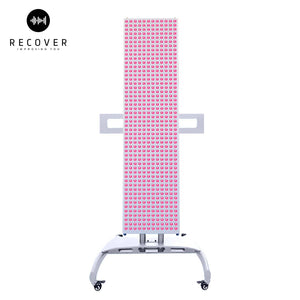
[[product:mid-size-red-light-therapy-panel]]











Leave a comment
This site is protected by hCaptcha and the hCaptcha Privacy Policy and Terms of Service apply.