

Quick Answer
Ice bath vs sauna vs red light therapy comes down to the problem you're solving. Ice baths are best for reducing swelling, easing muscle soreness and boosting alertness. Sauna is best for relaxation, circulation and a deep, sweaty heat stress response. Red light therapy is best for skin support, cellular recovery and calming the body before sleep. Many people eventually use all three, but each one earns its place by solving a different problem, not by being generally healthy.
Walk into any recovery studio today and you'll see all three sitting side by side. An ice bath. A sauna. A red light panel.
It's easy to assume they all do roughly the same thing, help you recover, feel better, sleep better. But the ice bath vs sauna vs red light therapy comparison isn't really about which one is strongest.
It's about which one matches the problem you actually have.
Sore legs after leg day need something different from a stressed nervous system after a brutal work week, and that's different again from skin that's looking tired and dull.
This guide breaks each tool down by what it actually does, then matches them to the specific problems people usually come to us with. By the end, you'll know exactly which one deserves your money first.
This matters more than it sounds. A good home recovery setup isn't cheap, and buying the wrong tool first, one that doesn't actually address what's bothering you, is one of the most common regrets we hear about. Getting this decision right the first time saves both money and disappointment.
[[product:luxury-ice-bath]]
What Each Recovery Tool Actually Does?
None of these three tools are new inventions. Cold water immersion, heat exposure and light therapy have all existed in various forms for decades, sometimes centuries. What's changed is how accessible and precise home versions have become.
Before comparing them, it helps to understand the basic mechanism behind each one. They're not interchangeable, they trigger genuinely different responses in your body.
Ice Bath: Cold Water Immersion
An ice bath submerges your body in cold water, typically between 3°C and 10°C, for two to ten minutes.
Cold water pulls heat away from your body far more efficiently than air. Blood vessels near your skin constrict, your heart rate rises, and inflammation and swelling in overworked muscles are reduced.
Most people also report a strong mental alertness boost, similar to a shot of adrenaline, immediately after stepping out.
This alertness effect is genuinely useful and genuinely real, which is why so many people now use an ice bath first thing in the morning rather than reaching for a second coffee. The sensation fades within an hour or two, but the swelling-reduction benefits last considerably longer.
[[product:luxury-ice-bath]]
Sauna: Heat Stress and Sweat
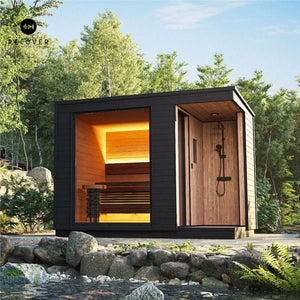
A sauna, whether traditional or infrared, raises your core body temperature through direct heat exposure.
Your heart rate climbs, blood vessels near your skin widen, and you sweat heavily. This heat stress response has been linked to improved circulation, and many people describe a deep sense of relaxation once they step out.
Unlike cold exposure, a sauna session tends to leave people calm rather than alert, which is part of why it's often used later in the day.
[[product:outdoor-infrared-sauna-available-in-dubai-abu-dhabi]]
Red Light Therapy: Cellular Light Stimulus
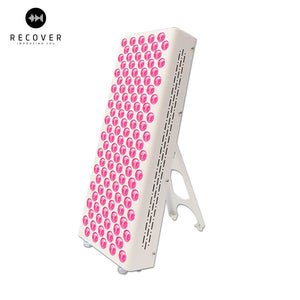
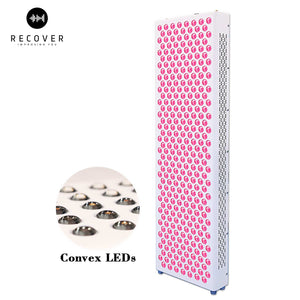
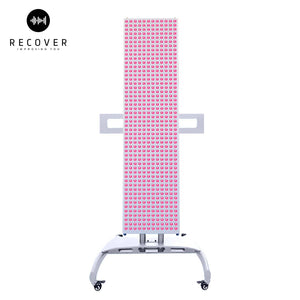
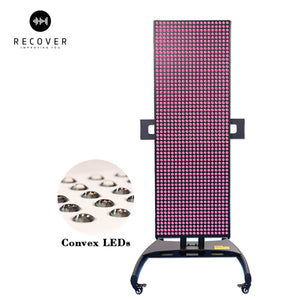
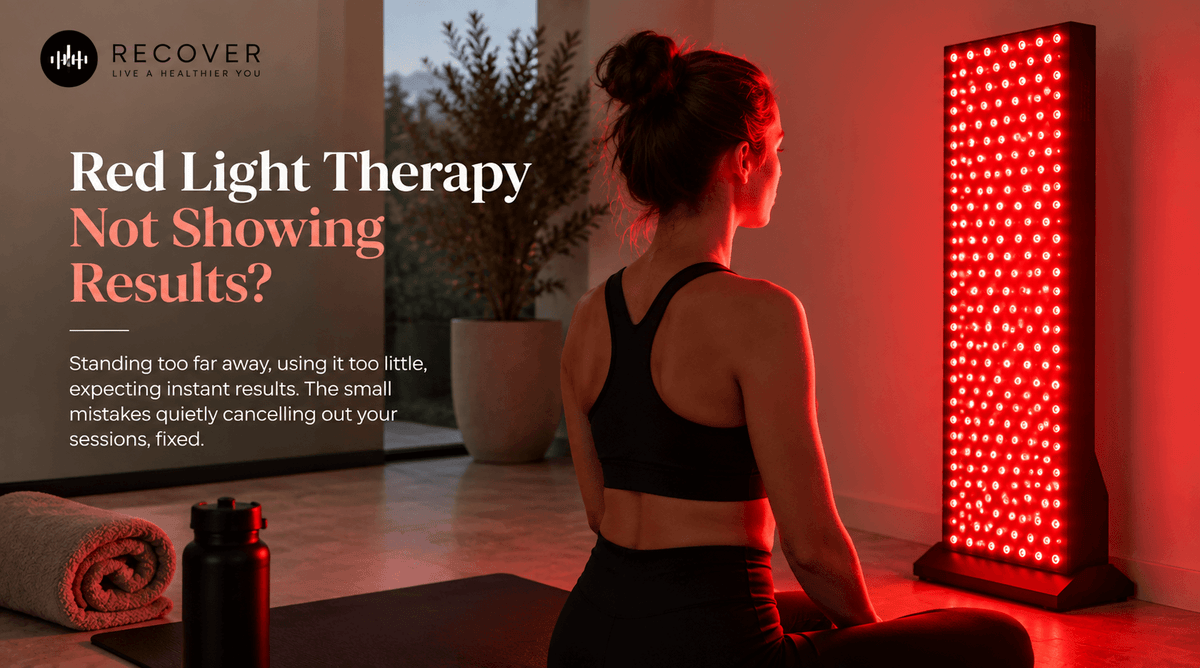
Red light therapy uses red and near-infrared wavelengths, typically around 660nm and 850nm, delivered through a panel positioned close to the skin.
These wavelengths penetrate the skin and interact with mitochondria, the part of your cells responsible for producing usable energy, in a process called photobiomodulation.
Unlike cold or heat, there's no dramatic physical sensation. The effect builds gradually with consistent, repeated sessions rather than from any single treatment.
This is often the hardest thing for newcomers to accept. There's no shiver, no sweat, no obvious sign anything is happening. But the cellular response is genuinely there, it's simply invisible in the moment.
[[product:lux-red-light-therapy-bed]]
Which Tool Solves Which Problem?
This is really the heart of the ice bath vs sauna vs red light therapy question. Match the tool to the problem, not the other way around.
|
Your Problem |
Best Tool |
Why |
|
Sore, swollen muscles after training |
Ice Bath |
Cold reduces blood flow to the area, limiting swelling early on |
|
Feeling wired, stressed or tense |
Sauna |
Heat encourages the nervous system to shift into a calmer state |
|
Dull skin or slow-healing irritation |
Red Light Therapy |
Supports cellular energy and circulation at the skin level |
|
Struggling to wind down for sleep |
Red Light Therapy (evening) |
Red wavelengths have far less impact on melatonin than blue light |
|
Low energy or feeling sluggish |
Ice Bath (morning) |
Cold exposure triggers a genuine, fast alertness response |
|
Tight muscles, poor circulation |
Sauna |
Widened blood vessels improve blood flow through tissue |
Best for Muscle Soreness and Recovery
If your main problem is sore, swollen muscles after training, an ice bath is the clearest choice. The cold response limits swelling before it builds up, and many people find it reduces how sore they feel the following day.
Our ice bath and chiller range makes this easy to build into a post-training routine at home. You can also read our breakdown of the top 7 benefits of ice baths for more detail.
Best for Sleep and Stress
If stress, tension or poor sleep is the real problem, sauna and red light therapy both play a role, just at different points in the day.
Sauna helps in the late afternoon or early evening, giving your nervous system a clear signal to slow down. Red light therapy works best in the final 30 to 60 minutes before bed, since it doesn't suppress melatonin the way bright screens and household lighting do.
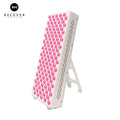
Explore our home sauna range or the Recover RP600 Facial Red Light Therapy Panel for an evening wind-down routine.
Can You Use All Three Together?
Yes, and many people eventually do. Each tool solves a different problem, so together they cover far more ground than any one alone.
The key is sequencing them correctly rather than doing everything in one overwhelming session.
A Simple Weekly Routine
- Post-training: ice bath for 5–10 minutes to manage swelling
- Midweek reset: sauna session for circulation and relaxation
- Every evening: 10–20 minutes of red light therapy as part of your wind-down
- Recovery day: a full sauna and cold plunge contrast session, if you have access to both
If you're combining sauna and cold exposure in one session, our guide to using contrast therapy around your training walks through exactly how to sequence it.
[[product:luxury-ice-bath]]
[[product:outdoor-infrared-sauna-available-in-dubai-abu-dhabi]]
[[product:lux-red-light-therapy-bed]]
What to Avoid Combining?
Avoid jumping straight from a sauna into an ice bath with no rest in between if your goal is muscle growth, the sudden cold can blunt the adaptation you just worked for.
Also avoid intense red light sessions right before an ice bath or sauna, there's no real conflict, but there's also no benefit to stacking every tool into one rushed routine. Give each one its own moment.
Most importantly, don't feel you need all three from day one. Start with whichever tool solves your biggest current problem, and build from there.
We see this pattern constantly with customers. Someone starts with a single ice bath because their knees are aching after weekend football. Six months later, they've added a sauna for the evenings and a red light panel for winding down before bed, not because a salesperson convinced them, but because each new problem they noticed pointed them toward the next tool. Let your own needs guide the order, not a checklist.
Frequently Asked Questions
Q 1. Is an ice bath or sauna better for muscle recovery?
For managing swelling and soreness immediately after training, an ice bath tends to be more effective, since cold directly limits blood flow to the area. Sauna is better suited to circulation and relaxation over the following days, once the acute soreness has settled.
Q 2. Can red light therapy replace an ice bath or sauna?
No. Red light therapy works through a completely different mechanism, supporting cellular function rather than triggering a heat or cold stress response. It complements the other two rather than replacing either, and works well used alongside them.
Q 3. Which is best for sleep, sauna or red light therapy?
Red light therapy is generally the better evening choice, since red wavelengths have far less impact on melatonin than bright lighting. Sauna can help too, but it's best used earlier in the evening, not right before bed.
Q 4. How often should I use each of these recovery tools?
Ice baths are commonly used 2–4 times a week, sauna 3–4 times a week, and red light therapy most evenings for best consistency. Adjust based on your own schedule and how your body responds.
Q 5. Do I need all three tools to see results?
No. Each tool solves a specific problem on its own. Start with the one that matches your biggest current issue, whether that's soreness, stress or skin support, and add the others over time if needed.
Choosing Your Starting Point
The ice bath vs sauna vs red light therapy debate isn't really a competition. It's a decision about which problem you're solving first.
Sore muscles point toward an ice bath. Tension and poor circulation point toward a sauna. Skin concerns and evening wind-down point toward red light therapy.
Start with the tool that matches your biggest problem right now, use it consistently, and let the others join your routine as your needs expand.
Explore our full range of ice baths, home saunas and red light therapy panels to find the right starting point for your own recovery routine.










Leave a comment
This site is protected by hCaptcha and the hCaptcha Privacy Policy and Terms of Service apply.