

Quick Answer
The best recovery tools for injury or surgery depend entirely on the stage of healing you're in. In the first 48 to 72 hours, cold and compression therapy, following the RICE method, are what genuinely help by managing swelling and pain. Heat therapy, sauna and more intense massage tools come later, once acute swelling has settled and your physiotherapist gives the go-ahead. Red light therapy can support tissue recovery throughout, used gently. The biggest mistake people make is reaching for every tool at once instead of matching the tool to the stage.
Recovering from an injury or surgery is a strange kind of overwhelming. Suddenly everyone has an opinion. Ice this. Heat that. Try this gadget.
Search for recovery tools for injury or surgery online and you'll find dozens of products all claiming to speed healing. Some genuinely help. Others can actually get in the way, particularly if used too early or too aggressively.
The truth is simpler than the marketing suggests. What helps depends almost entirely on where you are in the healing process.
This guide walks through what actually helps at each stage, what to avoid early on, and how to build a recovery routine that supports healing rather than working against it.
None of this replaces the advice of your surgeon or physiotherapist. Think of it as a map of the terrain, so you understand why they're telling you to wait on certain things, and what genuinely useful tools you can reach for in the meantime.
[[product:coldflow-hot-and-cold-compression-recovery-system]]
Why Not Every Recovery Tool Is Right After Injury?
The instinct after an injury or surgery is often to do something, anything, to speed things up. But the body heals in stages, and each stage responds to different inputs.
The First 48 to 72 Hours Are Different
Right after an injury or surgery, your body's priority is managing inflammation and swelling. This is a normal, necessary part of healing, not something to fight aggressively.
This is exactly where the RICE method, rest, ice, compression, elevation, comes from. It has guided injury management for decades because it works with this early inflammatory stage rather than against it.
Tools that increase blood flow too early, like heat, deep massage or intense movement, can actually increase swelling at this stage, which is why timing matters more than enthusiasm.
It's a common trap. Someone feels a little better on day two, reaches for a heat pad or a massage gun to speed things along, and ends up more swollen the next morning than they were before. The body isn't being stubborn, it's simply responding predictably to the wrong input at the wrong time.
Recovery Tools That Genuinely Help
Once you understand the stage you're in, the right tools become much clearer.
Cold and Compression Therapy
Cold therapy narrows blood vessels near the injury, limiting swelling. Compression applies gentle, even pressure that helps manage fluid build-up and supports circulation back toward the heart.
Together, they're the most evidence-backed combination for the first few days after injury or surgery, and they remain useful well into the following weeks as swelling continues to settle.
Elevation matters just as much as the tools themselves. Keeping the injured area raised above heart level whenever possible helps gravity assist with fluid drainage, working alongside whatever cold and compression you're using rather than instead of it.
Why ColdFlow Fits This Stage?
Traditional ice packs melt quickly and rarely provide real compression on their own. The ColdFlow Hot and Cold Compression Recovery System delivers both together, precise cold between 2°C and 15°C alongside adjustable compression, through wraps designed for the knee, shoulder, elbow or ankle.
This makes it genuinely practical for the repeated, several-times-a-day icing that early recovery calls for. Our guide on recovery after surgery and ACL surgery recovery at home cover this in more depth.
Gentle Massage and Circulation Tools
Once acute swelling has settled, usually after the first few days, gentle circulation support can help. This isn't the same as deep tissue work, it's light, superficial movement that supports fluid drainage.
Our range of recovery massage tools includes lighter options suited to this stage, though anything more intense should wait until your physiotherapist confirms you're ready.
Tools to Introduce Later in Recovery
As swelling settles and your physiotherapist clears you for more activity, a different set of tools becomes useful.
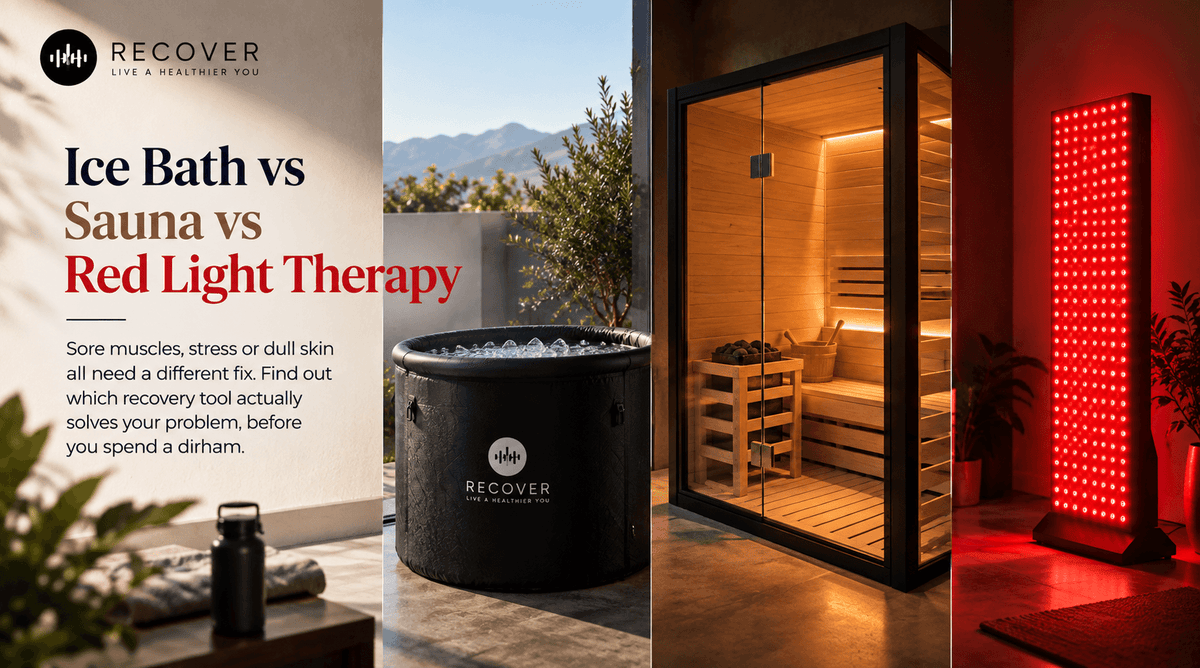
Heat Therapy and Sauna
Heat increases blood flow and loosens tissue, which is genuinely useful once swelling isn't the primary concern anymore. It's commonly used before mobility work or physiotherapy exercises to prepare the joint for movement.
Sauna can play a similar role later in recovery, supporting circulation and relaxation, but it's generally not appropriate in the first week or two after surgery, particularly with fresh incisions. Always check with your surgeon first.
A useful rule of thumb: if an area still looks or feels noticeably swollen, hot to the touch, or acutely painful, it's not ready for heat yet. Once those signs have genuinely settled, heat becomes a welcome addition rather than a risk.
Red Light Therapy for Tissue Support
Red light therapy works through a gentler mechanism than heat or cold, supporting cellular energy production rather than triggering a strong physical response. This makes it one of the few tools that can often be introduced earlier, though always check with your medical team first, particularly around surgical sites.
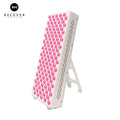
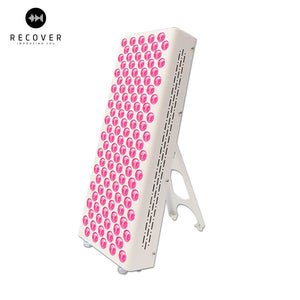
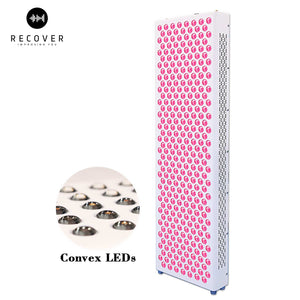
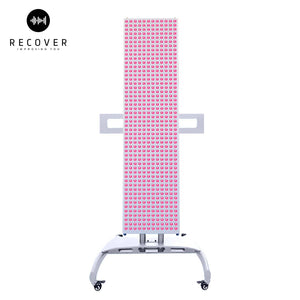
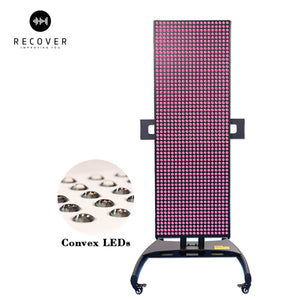
The Recover RP600 Facial Red Light Therapy Panel or larger panels like the RP1500 can support recovery as a gentle, low-impact addition once cleared.
When to Bring Back Training Intensity?
Rebuilding strength and range of motion should always follow your physiotherapist's specific plan, not a generic timeline found online.
- Early stage: rest, cold, compression, elevation, gentle movement only
- Mid stage: heat before mobility work, light circulation support, physiotherapy exercises
- Later stage: gradual return to training load, sauna, and full recovery routine
Rushing this sequence is one of the most common reasons recovery stalls or setbacks happen, patience with the process usually pays off far more than intensity.
[[product:coldflow-hot-and-cold-compression-recovery-system]]
Frequently Asked Questions
Q 1. What's the best recovery tool right after surgery?
Cold and compression therapy is generally the most useful tool in the first 48 to 72 hours, since it directly supports the RICE method of managing early swelling and pain. A system that delivers both together tends to be easier to use consistently than separate ice packs and bandages.
Q 2. Is heat or cold better for a fresh injury?
Cold is almost always better immediately after an injury, since heat can increase blood flow and worsen swelling at this stage. Heat becomes useful later, once swelling has settled and your physiotherapist confirms you're ready for it.
Q 3. Can I use a massage gun after surgery?
Not right away, and never directly over a surgical site or recent injury. Gentle circulation support can be reintroduced once your physiotherapist confirms you're ready, but intense percussion therapy should wait until you're further into recovery.
Q 4. Is red light therapy safe to use after surgery?
Often yes, since it works gently through cellular support rather than heat or pressure, but always check with your surgeon first, particularly around incision sites, before starting any new therapy.
Q 5. How do I know when to move from cold therapy to heat?
This is best confirmed with your physiotherapist, but a general guide is once visible swelling has settled and the area no longer feels hot or acutely inflamed, heat therapy can usually be introduced before mobility work.
Building a Recovery Routine That Actually Works
The tools that help most after injury or surgery aren't the flashiest ones, they're the ones matched correctly to your current stage of healing.
Cold and compression early. Heat and gentle circulation support later. Red light therapy as a gentle addition throughout, once cleared. And always, guidance from your surgeon or physiotherapist over anything found online.
Recovery rarely rewards impatience. The people who heal most smoothly tend to be the ones who resist the urge to rush ahead to the next stage, and instead let their body's own signals, reduced swelling, less pain, more comfortable movement, tell them when it's time to progress.
Explore the ColdFlow Hot and Cold Compression Recovery System for early-stage recovery, or browse red light therapy panels for gentle, ongoing support.











Leave a comment
This site is protected by hCaptcha and the hCaptcha Privacy Policy and Terms of Service apply.