

The DP World Tour's biggest names are in the UAE this month, and local tee sheets are filling up as the weather cools. But a long round can still leave you with a stiff back, sore shoulders and heavy legs. Here is how to keep playing well.
The best golf recovery in the UAE starts before your round. Warm up for at least 10 minutes, drink early and sip every couple of holes. Afterwards, rehydrate and cool down first. Use cold or compression on sore joints, gentle movement the next day, and heat once your body has fully recovered from the round. Most golf injuries come from overuse, so regular recovery matters more than any single treatment.
Why Golf Leaves Your Back and Shoulders Sore?
Golf looks gentle. But your swing repeats the same fast twist again and again, and overuse is the main problem. The American Academy of Orthopaedic Surgeons cites a study of 703 golfers over two seasons where most injuries came from overuse.
What caused golf injuries in a study of 703 golfers
Source: AAOS, 2018.
Your lower back takes much of the load. A survey of 1,634 Australian amateur golfers found 17.6% had a golf injury in the past year. The lower back was the most common site, at 25% of injuries. AAOS also says amateurs who rely on upper-body strength for power tend to have more back injuries than players who rotate through the body well.
Why the UAE adds extra strain?
Our courses are world class, but the climate is demanding. Heat, sun and long rounds raise your fluid needs, and tired golfers often lose their swing form late in the round. Long tournament weekends and weekly club games also leave less time between rounds.
The season is in full swing, too. The Abu Dhabi Championship runs on 5 to 8 November at Yas Links, and the DP World Tour Championship follows on 12 to 15 November at Jumeirah Golf Estates. The Hero Dubai Desert Classic comes on 21 to 24 January 2027.
Before You Tee Off: The Warm-Up That Cuts Injury Risk
This is the cheapest recovery tool you have. In a randomised trial of 344 golfers, those who followed a golf-specific warm-up had far fewer injuries over six months.
Injuries over six months
Source: Fradkin et al., 2006, published as a conference abstract. Severe injuries occurred only in the control group.
AAOS suggests warming up for at least 10 minutes. Try this simple version:
- Walk briskly for 3 to 4 minutes.
- Rotate your hips, upper back and shoulders gently.
- Swing a club slowly, then build up speed.
- Hit a few wedges before you reach for the driver.
Staying Safe During a Hot Round
Dr Andrew Murray, the European Tour's Chief Medical Officer, warns that extreme heat and humidity can bring poor performance, heat illness and heat stroke. His advice is simple.
- Drink cool fluids before you reach the first tee.
- Take small sips about every two holes.
- Use a rehydration drink, or get electrolytes another way, in strong heat.
- After the round, take more fluid and electrolytes.
Sanford Health adds some easy wins: play early, seek shade, wear loose light clothing, and use a cart when it is very hot.
Stop playing and get help if you have confusion, fainting, or a very high temperature. Sanford Health lists a body temperature of 104°F (40°C) or higher as a sign of heatstroke, which is an emergency. Call 998 in the UAE.
See our cold, heat and compression options for home use.
Your 24-Hour Golf Recovery Plan
Cold water after a round
Your legs may feel heavy after 18 holes, especially if you walked. The Cochrane review of cold-water immersion found some evidence of less muscle soreness up to 96 hours after exercise, across 17 small trials of low quality. None focused on golf, so treat this as a general guide. Learn more in why athletes use ice baths.
Heat, but not straight away
If you have been out in the heat for hours, your body needs to cool and rehydrate first. Save the sauna for later that evening or the next day. A small 2023 study of basketball players found less soreness after an infrared session at about 43°C, but that followed indoor resistance training, not a hot round. Our sauna scheduling guide can help you plan it.
Golfer's Back and Shoulder Relief: What to Try
| Option | Best for | What the evidence says |
|---|---|---|
| Exercise and strength work | Back, hips, shoulders | AAOS recommends a golf-specific programme |
| Heat | A stiff lower back | Cochrane review: heat wraps gave a small, short-term benefit in acute back pain |
| Cold and compression | A sore elbow, knee or shoulder after play | Best evidence is after joint surgery, not golf |
| Red light therapy | An extra for regular players | Small effects for low back pain, and it should not replace exercise |
Three simple habits work well alongside these:
- Strengthen your hips and trunk. AAOS recommends strengthening the lower back, shoulders and hips.
- Improve rotation. More movement through your hips and upper back can take strain away from your lower back.
- Check your swing. AAOS names poor form as a common cause of injury, so a lesson can be a smart investment.
If a nagging joint is your main issue, read managing hip, knee and back pain with cold plunges and red light therapy for joint pain.
A Weekly Routine for Regular UAE Golfers
If you play once or twice a week, a simple routine beats a big effort before your club medal. Here is one example to adapt.
| Day | Focus | Time |
|---|---|---|
| Round day | Warm-up, fluids, then cool down and rehydrate | 10 minutes before, 30 minutes after |
| Next day | Easy walk or swim, hip and upper-back mobility | 20 minutes |
| Midweek | Strength work for hips, trunk and shoulders | 30 to 40 minutes, twice |
| Evening before | Early night and good hydration | No extra time needed |
Walking the course adds more load than riding in a cart, so plan a little more recovery after those rounds. If you play two days in a row, keep the evening session light and protect your sleep.
Which Recovery Tools Suit Golfers?
You do not need a full recovery room. Pick the tool that matches your most common problem.
| Your problem | Start with | Why it suits golfers |
|---|---|---|
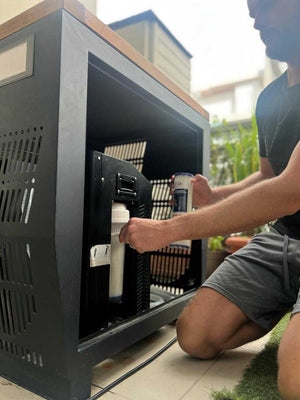
| Sore elbow, shoulder or knee | ColdFlow | Targets one area at home. Cold, heat and compression in one unit |
| Heavy legs, whole-body fatigue | Recover Cube | Compact ice bath for regular players |
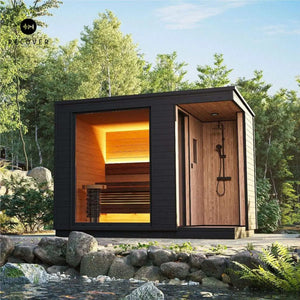
| Stiffness on rest days | Infrared sauna | Gentler heat at 45 to 65°C |
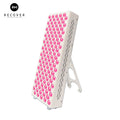
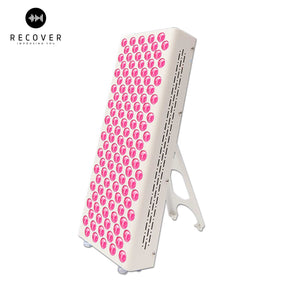
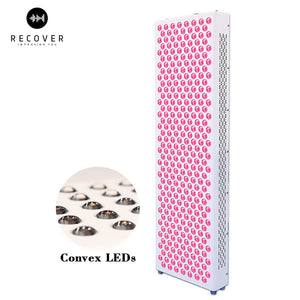
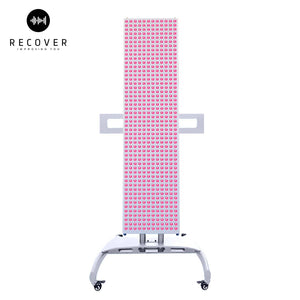
| A low-effort daily habit | RP1500 panel | A 10 to 20 minute session at home |
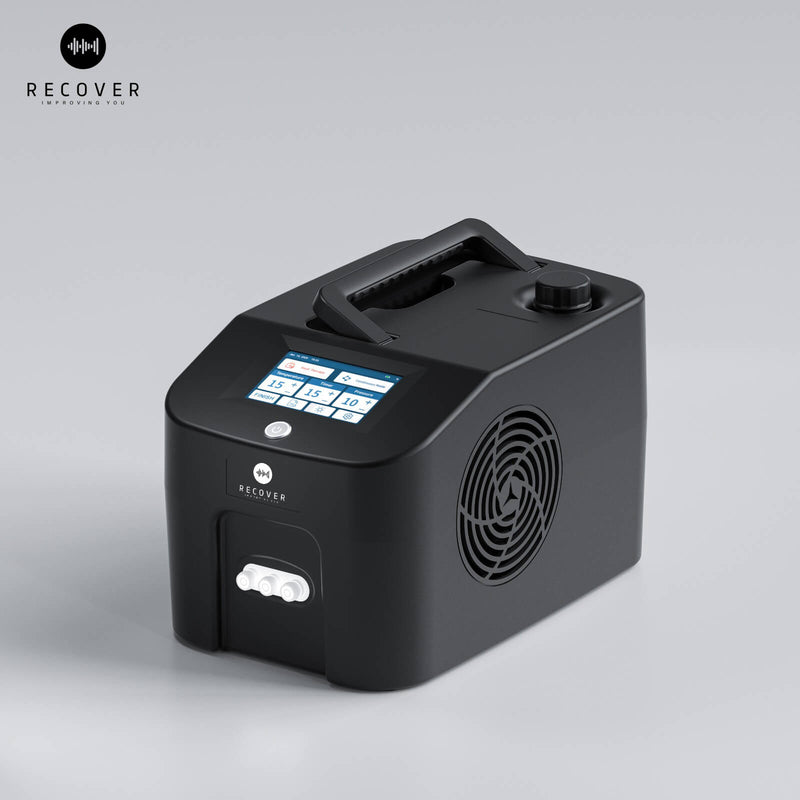
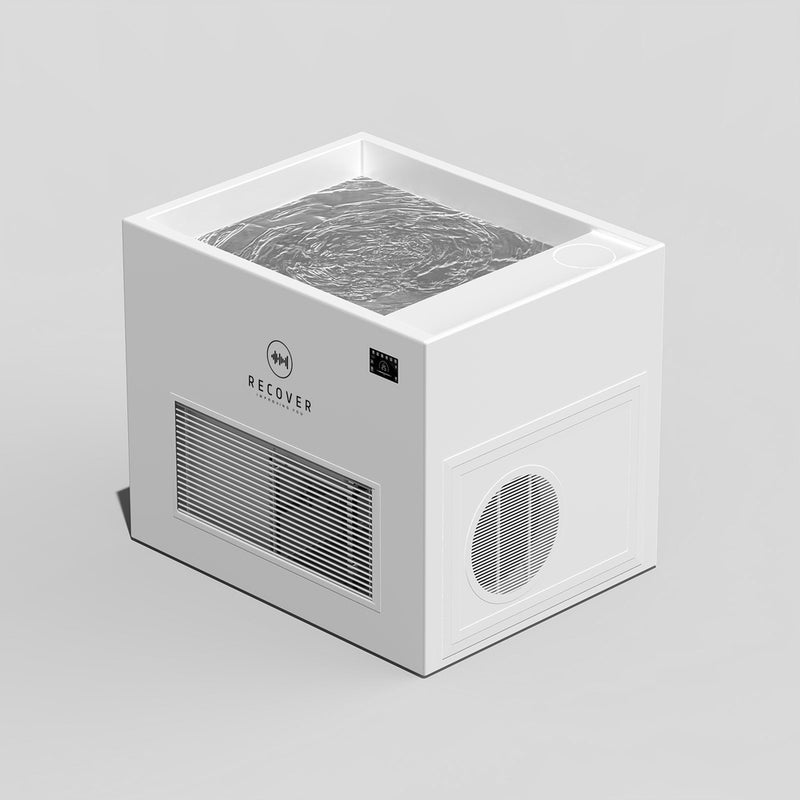

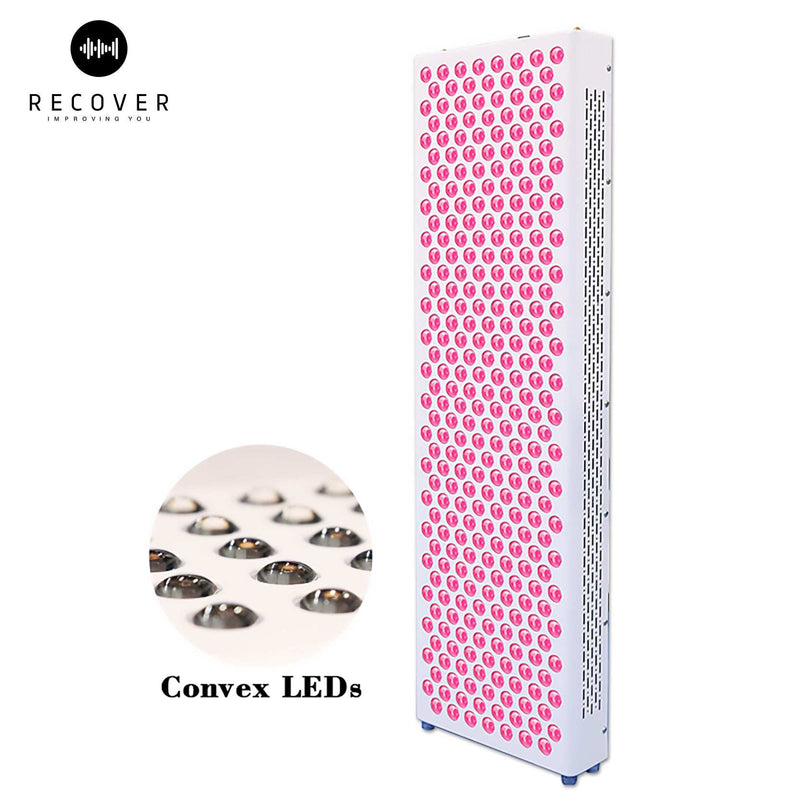
ColdFlow's standard package includes one wrap, while the bundle includes knee, shoulder, elbow and ankle wraps. A lumbar garment is listed in the specifications, so ask us about availability if your back is the main concern. Not sure about ice or heat? Compare them in sauna vs ice bath and see what your home gym is missing.
Choosing your first tool
Think about what stops you playing. If one sore elbow or knee is the problem, a targeted tool makes more sense than a full ice bath. If you simply feel worn out after every weekend, a whole-body option may suit you better. Start with one, use it for a month, and judge how you feel on the next tee.
When to See a Doctor or Physio?
Recovery tools are not for every pain. Get checked if you notice any of these:
- Back pain that travels down your leg, or numbness or weakness
- Pain that lasts more than a week or two, or keeps returning
- Sharp pain during your swing, or swelling that does not settle
- Any chest pain, or dizziness that does not clear
AAOS warns that untreated injuries can lead to longer-term problems. Also ask your doctor before you use a sauna or ice bath if you have a heart condition. The 2018 Mayo Clinic Proceedings review lists several heart conditions as sauna contraindications. See our guide to recovery tools after injury too.
Golf Recovery FAQs
How do golfers recover after a round?
Rehydrate first, cool down and walk gently. Stretch your hips and upper back, eat well and sleep. Use cold, compression or heat on sore areas if they help you.
Why does my lower back hurt after golf?
Repeated twisting, tight hips and poor swing form can overload your lower back. It was the most common injury site in a large survey of amateur golfers. See a professional if pain persists.
Is an ice bath good after golf?
It may ease leg soreness, based on general exercise research. No major trial has focused on golfers. Keep it short, and get medical advice first if you have a heart condition.
Can I use a sauna after playing golf in the heat?
Wait until you have cooled down and rehydrated. If you felt dizzy or unwell during your round, skip the sauna that day and speak to a doctor if symptoms continue.
How much should I drink during a hot round?
Needs vary with heat, body size and sweat rate. The European Tour's medical chief suggests drinking before the first tee, then small sips about every two holes.
What is the best warm-up for golf?
Spend at least 10 minutes on brisk walking, hip and shoulder rotations and gradually faster swings. A golf-specific warm-up cut injuries sharply in a six-month trial.
Tell us how often you play and where it hurts. We will suggest a simple home recovery setup for you.
See ColdFlow Ask Our Team










Leave a comment
This site is protected by hCaptcha and the hCaptcha Privacy Policy and Terms of Service apply.