

Joint pain can quietly limit everything from your workouts to your daily comfort, and more people are turning to red light therapy as a drug-free way to manage it. But does shining light on a sore joint actually do anything, or is it just a wellness trend? This guide looks at how red light therapy works, what the science says about inflammation, and how to use it effectively for joint pain relief.
What Is Red Light Therapy?
Red light therapy uses specific wavelengths of red and near-infrared light to stimulate activity inside your cells. Unlike UV light, it doesn't damage skin and is considered safe for regular use on joints, muscles, and skin. For a full introduction, see what is red light therapy.
Red Light vs Near-Infrared Light
Red light, typically around 660nm, works closer to the surface and is often used for skin and shallow tissue. Near-infrared light, around 850nm, penetrates deeper, making it more effective for reaching joints and deeper muscle tissue.

How Red Light Therapy Works on Joint Pain?
Cellular Energy and Mitochondrial Function
Red and near-infrared light are absorbed by mitochondria, the energy-producing part of your cells. This exposure appears to boost ATP production, the energy molecule your cells use to repair and function properly, which may support faster tissue repair around inflamed joints.
How Light Penetrates to Joint Tissue?
Near-infrared wavelengths can reach several centimetres beneath the skin, deep enough to affect the tissue surrounding joints like the knees, shoulders, and lower back, where inflammation commonly builds up.
Does Red Light Therapy Actually Reduce Inflammation?
What the Research Says?
Several studies on red light therapy show reductions in markers of inflammation and improvements in joint stiffness and pain scores, particularly in conditions involving chronic joint discomfort. While more large-scale research is still needed, current evidence is genuinely promising, and our guide does red light therapy actually work: benefits and real results goes into more detail.
Where the Evidence Is Strongest?
The strongest evidence tends to be for reducing stiffness and improving range of motion rather than eliminating pain completely. Red light therapy works best as part of a broader recovery approach rather than a standalone fix.
Common Joint Conditions People Use Red Light Therapy For
Knee Pain
Knee joints are a common target for red light therapy, especially for people managing general wear and tear or post-exercise stiffness.
Shoulder and Elbow Joints
These smaller joints respond well to targeted panels or handheld devices, especially for stiffness caused by repetitive movement or training.
Lower Back and Hip Discomfort
Full-body panels are often used for lower back and hip discomfort, where a larger treatment area is needed to cover the affected region properly.
How to Use Red Light Therapy for Joint Pain?
Recommended Session Length
Most sessions last between 10 and 20 minutes per targeted area, depending on the strength of your device and its distance from your body.
How Often to Use It?
Consistency matters more than intensity. Most people see the best results with regular use several times a week rather than occasional long sessions.
Building a Weekly Routine
A simple approach is 4 to 5 sessions per week, focused on the affected joint, ideally at a similar time each day to build a consistent habit.

Red Light Therapy vs Other Anti-Inflammatory Recovery Tools
Red Light Therapy vs Ice Baths for Joint Pain
Ice baths reduce inflammation through cold-induced vessel constriction and work fast for acute flare-ups. Red light therapy works more gradually at a cellular level and is gentler for chronic, ongoing joint discomfort. Our guide on how can red light therapy help you covers more comparisons like this.
Red Light Therapy vs Compression Therapy
Compression therapy improves circulation mechanically, while red light therapy works by stimulating cellular repair. Many people use both together, applying compression for circulation and red light for deeper tissue support.
What to Look for in a Red Light Therapy Panel?
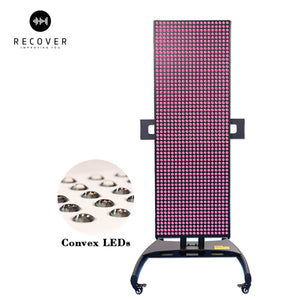
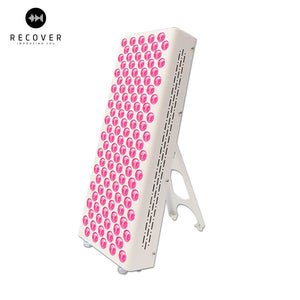
Look for a panel that combines both red (660nm) and near-infrared (850nm) wavelengths, since joint pain benefits most from the deeper-penetrating near-infrared light. Our guide on discovering the perfect red light therapy panel for your wellness goals walks through what to check before buying.
Who Should Be Cautious With Red Light Therapy?
People with light-sensitive skin conditions, certain medications that increase light sensitivity, or active skin cancer should consult a doctor before use. It's generally considered safe for most healthy adults.
Closing Thoughts
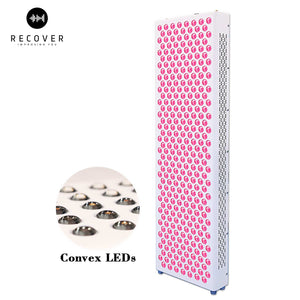
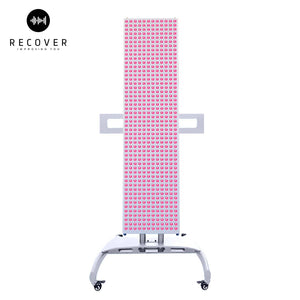
Ready to try it for yourself? Explore the Recover Red Light Therapy Panel, built with both red and near-infrared wavelengths for deeper joint support, or browse our full biohacking products collection for more recovery tools. Not ready to commit? You can also rent a red light therapy panel before you buy.
Frequently Asked Questions
Q 1: Does red light therapy really reduce joint inflammation?
A: Research shows promising reductions in inflammation markers and joint stiffness, though it works best as part of a broader recovery routine rather than a standalone cure.
Q 2: How long should a red light therapy session be for joint pain?
A: Most sessions last 10 to 20 minutes per targeted joint area, depending on your device's strength and distance.
Q 3: How often should I use red light therapy for joint pain?
A: Consistency matters most. Aim for 4 to 5 sessions per week rather than occasional long sessions.
Q 4: Is red light therapy better than ice baths for joint pain?
A: They work differently. Ice baths are better for fast relief during acute flare-ups, while red light therapy supports gradual, ongoing joint health at a cellular level.
Q 5: Can I use red light therapy every day?
A: Yes, red light therapy is generally safe for daily use for most healthy adults.







Leave a comment
This site is protected by hCaptcha and the hCaptcha Privacy Policy and Terms of Service apply.