

QUICK ANSWER
Sauna fits naturally around training in three ways: after training (heat exposure and recovery), on recovery days (maintaining your routine without another workout), and later in the day (relaxing and transitioning into rest). Unlike cold-water immersion, sauna use after strength training doesn't carry the same evidence of blunting adaptations, so it's easy to add straight after almost any session. Aim for 3–5 sessions per week, around 15–30 minutes each, adjusting temperature and duration to the type of sauna and how you're feeling.
Whether you use a traditional or infrared sauna, regular heat exposure can fit naturally around your training several times per week. The temperatures and experience may differ, but for building sauna into your workout schedule, the principles are broadly the same.
Three Ways to Think About Sauna Timing
Think about what you've just done, how you're feeling, and what you want from the session. This is the foundation of a workable sauna workout schedule:
- After training: heat exposure and recovery
- Recovery days: maintain your routine without another workout
- Later in the day: relax and transition into rest
Sauna After Training — The Natural Starting Point
For many people, this is the most natural place to start. Unlike immediate cold-water immersion after resistance training, heat exposure doesn't carry the same evidence of potentially blunting the training adaptations you've just worked to create — which is one of the real benefits of an infrared sauna over cold exposure in this context. This makes sauna particularly easy to incorporate after strength training. There's no need to turn the sauna into another workout — the objective isn't to see how long you can tolerate the heat.
A Simple Post-Workout Routine
Train → Hydrate → Sauna → Shower → Recover.
Sauna After Cardio and Conditioning
Sauna can also fit particularly well after running, cycling and conditioning sessions. Regular heat exposure can help the body acclimatise to exercising in warmer conditions, making it particularly interesting for endurance athletes or anyone preparing to train or compete in the heat.
Heat Acclimatisation for UAE Training
For those of us living and training in the UAE, total heat exposure matters. An indoor cardio session followed by sauna is very different from finishing a long outdoor run in the UAE summer, where you've already experienced significant heat stress and fluid loss. Adjust your sauna session accordingly, and make sure you're replacing fluids and electrolytes when you're sweating heavily.
Sauna on Recovery Days
You don't need to train before using your sauna. Recovery days are an easy opportunity to increase your weekly sauna use without increasing your training load: Hydrate → Sauna → Shower → Recover. It can simply become dedicated time to slow down and recover.
Morning or Evening Sauna?
Sauna doesn't always need to be attached to exercise. Having a sauna at home gives you the flexibility to choose whichever fits your schedule.
Starting the Day
A morning session can be a great way to warm up and start the day, particularly on a recovery or non-training day.
Winding Down
An evening sauna can be a great way to transition out of work and into rest: Finish work → Sauna → Shower → Hydrate → Relax.
How Often and How Long Should You Sauna?
Frequency
Rather than one very long or extremely hot session each week, aim to build manageable sessions into your routine regularly. For many people, 3–5 sessions per week is a practical target, while experienced sauna users may choose to use it more frequently.
Session Length
For many people, around 15–30 minutes is a practical session, depending on the type of sauna, temperature, experience and what you've done that day. Traditional sauna users may prefer shorter periods at higher temperatures, while infrared users may naturally stay longer at lower cabin temperatures. If you're weighing up which suits you, our comparison of sauna vs ice bath and our guide to hybrid saunas are worth reading. There's no need to make every session hotter or longer than the last.
Sample Weekly Sauna Schedule
4–6 Sessions a Week
|
Day |
Training |
Sauna Timing |
|
Monday |
Strength |
Post-training sauna |
|
Tuesday |
Conditioning |
Post-training sauna |
|
Wednesday |
Strength |
Optional sauna |
|
Thursday |
Recovery |
Morning or evening sauna |
|
Friday |
Strength |
Post-training sauna |
|
Saturday |
Cardio / Sport |
Sauna depending on heat and hydration |
|
Sunday |
Recovery |
Optional sauna |
That's 4–6 opportunities for sauna each week without having to dramatically change your existing routine.
Build Sauna Around Your Life
There's no single perfect time to sauna. Use it after training, on recovery days, to support heat acclimatisation, or simply when you want to slow down at the end of the day. Adjust the session to what you've already done and how you feel. The goal isn't the longest or hottest session — it's making sauna something that fits naturally into your week.
Don't organise your life around your sauna. Build your sauna into your life.
Frequently Asked Questions
Should I use the sauna before or after my workout?
After is generally best. Finishing your workout, hydrating, and then using the sauna lets your heart rate settle first, and heat exposure doesn't carry the same risk of blunting training adaptations that immediate cold exposure can after strength training.
How many times a week should I use a sauna?
For many people, 3–5 sessions per week is a practical target. Experienced sauna users may use it more frequently, while beginners should build up gradually.
How long should a sauna session last?
Around 15–30 minutes is practical for most people, depending on the type of sauna, temperature and experience. Traditional saunas typically suit shorter, hotter sessions; infrared saunas suit longer sessions at lower temperatures.
Can I use a sauna on rest days?
Yes. Recovery days are an easy way to increase your weekly sauna use without adding to your training load — simply hydrate, use the sauna, shower and recover.
Is sauna use safe after a hot outdoor workout in the UAE?
It requires more care. An indoor cardio session followed by sauna is very different from finishing a long outdoor run in UAE summer heat, where you've already experienced significant fluid loss. Adjust your session and prioritise replacing fluids and electrolytes.
Ready to Build Sauna Into Your Routine?
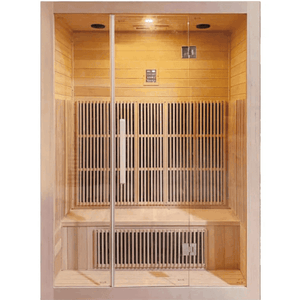
A consistent sauna habit starts with having one at home. Explore Recover's full range of indoor and outdoor saunas, built for the UAE climate.









Leave a comment
This site is protected by hCaptcha and the hCaptcha Privacy Policy and Terms of Service apply.