

QUICK ANSWER
Cold plunging doesn't need to happen immediately after every workout. Think in three windows: morning (activation and alertness), post-workout (recovery, when appropriate), and evening (reset and transition). After a hard strength session, delay the cold plunge rather than jumping in straight away, since regular cold-water immersion immediately post-strength-training may blunt some muscular adaptations. After light exercise, cardio, or a hot outdoor session, an immediate plunge works well. Most people can use a cold plunge 5–7 times per week without interfering with training.
Cold plunging doesn't need to be something you only do after exercise. In fact, if you train regularly, immediately after your workout isn't always the best time to use it.
Think in Three Windows: Morning, Post-Workout, Evening
The easiest approach is to think about what you've just done, what you're doing next, and what you want from the plunge. This is the foundation of a sustainable cold plunge workout schedule:
- Morning: activation and alertness
- After exercise: recovery, when appropriate
- Later in the day: reset and transition
This allows cold exposure to become a regular part of your week without automatically attaching every plunge to a workout.
The Morning Plunge — Activation and Alertness
For many people, this is the easiest way to build cold exposure into a routine. Cold creates an immediate physiological stress response, increasing alertness and sympathetic nervous-system activity — it's why you can step out feeling awake, focused and ready to go. If you're new to the practice, our guide on when you should use your ice bath is a useful starting point.
A Simple Morning Routine
Wake → Hydrate → Cold plunge → Warm naturally → Start your day.
Ideal Temperature and Duration
Around 10–15°C for 2–5 minutes provides a significant cold stimulus for most people. You don't need to chase extreme temperatures or long sessions. If you're training shortly afterwards, allow yourself time to warm back up and complete a proper dynamic warm-up before exercising.
Don't Rush Straight From a Hard Workout Into the Cold
This is where timing matters. Exercise itself is a stressor — and that's part of how training works. When you train, you're deliberately creating a stimulus. Your body responds to that stimulus and adapts, helping you become stronger, fitter and more capable. Recovery isn't about shutting down that response as quickly as possible.
Why Timing Matters After Strength Training?
Regularly cold plunging immediately after training — particularly resistance training — may reduce some of the muscular adaptations you're trying to create, when strength and muscle growth are the objective. So after a hard strength session, our approach is simple: allow the training stimulus to happen. That doesn't mean skipping your cold plunge that day, just changing the timing.
Two Simple Options
- Morning plunge → Evening strength training
- Morning strength training → Recover, eat and hydrate → Plunge later
You don't need to obsess over an exact number of hours. The principle is more important than the stopwatch.
When Circumstances Change the Rules?
Not every workout is a heavy strength session, and the type of activity matters.
Hot Outdoor Sessions in the UAE
At this time of year in the UAE, coming back from a hot outdoor walk and getting straight into a cold plunge can feel incredible: Walk → Hydrate → Cold plunge. You're hot, you've been moving outside in extreme temperatures and you're looking to cool down — that's completely different from finishing a heavy leg session where muscular adaptation is the goal.
Likewise, after light exercise, recovery sessions, or time spent outdoors in the heat, an immediate plunge can fit perfectly. This is also one of the reasons cold plunge therapy improves sleep quality for people managing high heat exposure during the day.
When Rapid Recovery Is the Priority?
There are also times when recovering quickly matters more than maximising every possible training adaptation. If you're competing, training twice in a day, or need to perform again the following morning, post-exercise cold immersion can be useful for reducing perceived soreness and fatigue.
The question becomes: are you trying to adapt from this session, or recover quickly for the next one? If adaptation is the priority, give your body time before getting cold. If rapid recovery is the priority, use the plunge strategically.
The End-of-Day Plunge — Reset and Transition
Cold exposure itself is stimulating, but many regular users describe feeling calmer and mentally reset once they're out, their breathing has settled and they've naturally warmed back up. That makes an early-evening plunge another great opportunity for regular use: Finish work → Cold plunge → Warm naturally → Dinner → Relax. If cold makes you particularly energised, avoid placing it too close to bedtime and find the timing that works for you.
Sample Weekly Cold Plunge Schedule
A 5–7 Session Week
| Day | Training | Plunge Timing |
|---|---|---|
| Monday | Strength | Morning plunge |
| Tuesday | Conditioning | Post-training plunge |
| Wednesday | Strength | Morning or later-day plunge |
| Thursday | Recovery / walking | Post-walk plunge |
| Friday | Strength | Morning plunge |
| Saturday | Sport | Post-training plunge |
| Sunday | Recovery | Optional plunge |
That's potentially 5–7 uses per week, each with a reason behind it. If you're building a full protocol, our ultimate guide to cold plunge therapy and our breakdown of why lower ice bath temperatures deliver better recovery results go into more depth.
Build the Plunge Around Your Life
There's no single perfect time to cold plunge because there's no single reason to use one. Use it in the morning when you want to feel switched on. Use it after a hot walk when you want to cool down. Use it after sport when rapid recovery matters. Use it later in the day when you want a reset. And when you've completed a hard training session where adaptation is the goal, give your body time to respond to the work you've just done. The circumstances matter.
Don't organise your day around your cold plunge. Build your cold plunge into your day.
Frequently Asked Questions
Should I cold plunge before or after a workout?
It depends on the workout. For hard strength training, delay your plunge to protect muscular adaptations — try a morning plunge before an evening session, or plunge later after recovering, eating and hydrating. For light exercise, cardio, or hot outdoor sessions, an immediate plunge works well.
How many times a week should I cold plunge?
Most people can comfortably use a cold plunge 5–7 times per week without interfering with training, as long as timing is adjusted around harder strength sessions.
What temperature and duration should I use for a morning plunge?
Around 10–15°C for 2–5 minutes provides a significant cold stimulus for most people. Extreme temperatures or long sessions aren't necessary to get the benefit.
Does cold plunging after strength training reduce muscle gains?
Regularly using very cold water immediately after resistance training may reduce some of the muscular adaptations you're working toward, particularly when strength and muscle growth are the goal. Adjusting the timing — rather than skipping the plunge — solves this.
Is it okay to cold plunge every day?
Yes, for most people daily cold exposure is fine as long as the timing around hard training sessions is managed. Listen to your body and adjust frequency if you're feeling excessively fatigued.
Ready to Build Your Own Cold Plunge Routine?
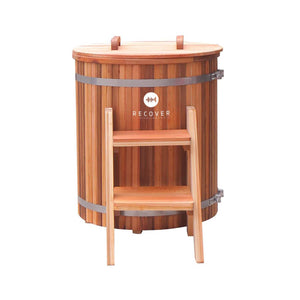
A consistent cold plunge schedule starts with reliable, at-home equipment. Explore Recover's full range of ice baths, built for daily use across the UAE.








Leave a comment
This site is protected by hCaptcha and the hCaptcha Privacy Policy and Terms of Service apply.