

No, you don't necessarily need to wash your hair after every sauna. Sweat is mostly water and electrolytes. After a lighter session, letting your hair dry and refreshing it with dry shampoo may be enough; after heavy sweating, a rinse or wash is better. Tying hair up, wearing a wool sauna hat in a traditional sauna and building sessions into your existing morning shower routine also help.
"I'd love to use my sauna every day, but I just can't face washing my hair that often."
It's a comment we hear regularly at Recover, especially from customers considering a home sauna. And it's understandable.
A 20-minute sauna session sounds like a fantastic addition to your daily routine. But add washing, blow-drying and styling your hair afterwards, and that simple wellness habit becomes a much bigger commitment.
For many people, it's not the time in the sauna that prevents regular use. It's everything that comes afterwards. So does every sauna session really need to end with a full hair wash? Not necessarily.
Do You Actually Need to Wash Your Hair After Every Sauna?
The short answer is no, not necessarily.
Sweat is mainly water and electrolytes, although it can mix with natural scalp oils and styling products. Whether you need to wash depends on:
- How much you've sweated
- Your hair type
- How your scalp feels afterwards
After a lighter session, letting your hair dry and refreshing your style may be enough. After heavier sweating, a rinse or full wash may be better. There's no universal rule that you must shampoo after every sauna.
5 Practical Ways to Make Sauna Use Easier on Your Hair
1. Use Dry Shampoo to Refresh Your Hair
Dry shampoo is especially useful if you enjoy a morning sauna but don't want to spend another 30 minutes washing and restyling.
- After your session, let your scalp cool and your hair dry completely.
- Once dry, apply a small amount of dry shampoo to the roots to absorb excess oil, restore volume and refresh your style.
Keep in mind that dry shampoo doesn't remove sweat, salt or product build-up, so it shouldn't replace regular washing. After heavy sweating, a rinse or proper wash may be better. When your hair is only slightly damp, dry shampoo can simplify your routine once it has dried.
2. Keep Longer Hair Tied Up
A loose bun or braid makes a surprising difference. Keeping your hair away from your neck and shoulders reduces contact with sweat and makes it easier to manage afterwards.
Use a soft hair tie and avoid pulling too tightly. It won't stop your scalp sweating, but it may keep the lengths of your hair drier and reduce the need for restyling.
3. Consider a Sauna Hat
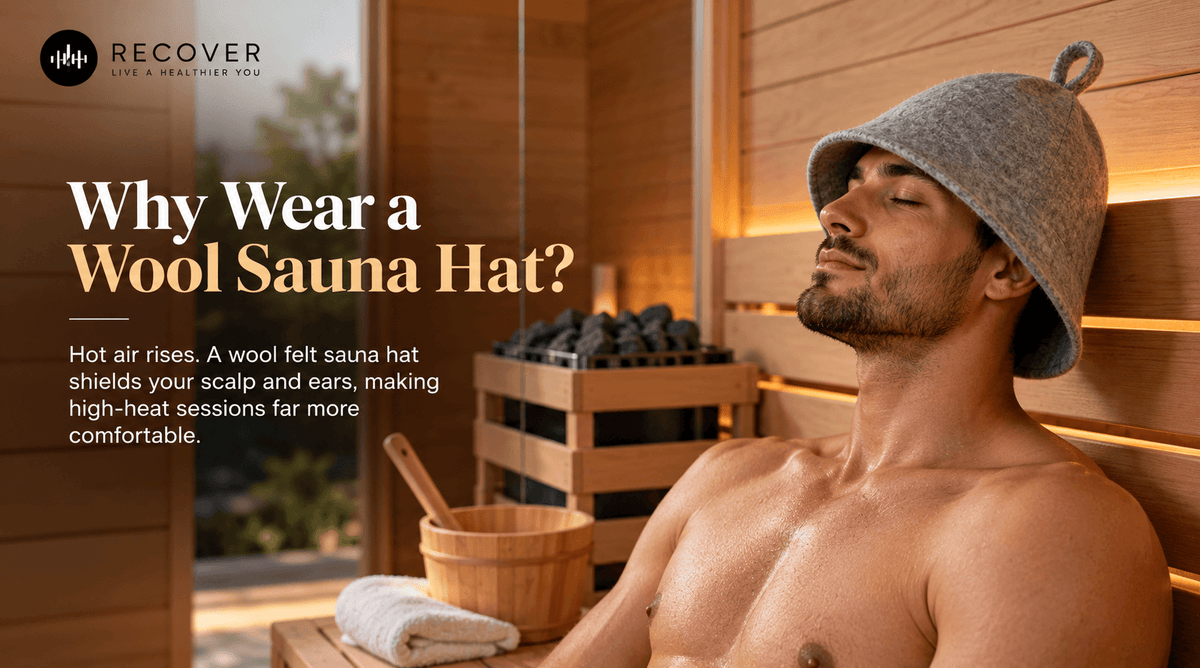
In a traditional high-temperature sauna, a wool felt sauna hat can help insulate your scalp from the surrounding heat. This may improve comfort and reduce direct heat exposure to your hair, although it won't necessarily prevent sweating.
Sauna hats are generally less useful in infrared saunas, where the air temperature is lower. To find out how they work, read What Are Sauna Hats Actually For? Do They Really Work?
4. Build Your Sauna Around Your Existing Morning Routine
If you normally shower before work, use your sauna beforehand rather than adding another shower later in the day.
- Prepare your clothes, towel and slippers and hair products the night before so everything is ready.
- If your sauna has programmable controls, you may be able to schedule its warm-up in advance according to the manufacturer's instructions. See our smart control apps and how long a sauna takes to warm up.
Small adjustments like these turn your sauna session into part of your existing morning rather than another task to find time for.
5. Keep Your Sessions Manageable
Not every sauna session needs to be 30 minutes long or at the highest possible temperature. A shorter session at a comfortable temperature is easier to fit into your morning, especially when you're managing your hair afterwards. Our guide on how long to stay in a sauna can help you find the right length.
Allow enough time to cool down, rehydrate and shower as needed. The aim isn't to push through longer sessions. It's to find a routine you can comfortably repeat.
 Make your morning routine easier Recover Towel & Slipper Combo – White Lay it out the night before so your morning sauna and shower flow straight into your day. AED 249 Shop now →
Traditional or Infrared Sauna: Which Is Better for Your Hair?
Both types can form part of a regular home routine, but they feel different:
| Traditional Sauna | Infrared Sauna | |
|---|---|---|
| Typical air temperature | 70–100°C | 45–65°C |
| Feel around head & scalp | Hotter air, especially near the ceiling | Lower air temperature; some find it more comfortable |
| Sweating | Substantial | Substantial |
| Sauna hat helpful? | Yes | Usually not necessary |
Some people find the lower air temperature of an infrared sauna more comfortable around the head and scalp. However, both types can produce substantial sweating, and neither guarantees your hair will stay dry.
Recover offers traditional saunas, full-spectrum infrared saunas and hybrid saunas, so you can choose the experience that suits your preferences and lifestyle. Compare them in traditional vs infrared saunas.
Choose the sauna that suits your routine


Why Making Sauna Use Convenient Matters
One of the biggest advantages of owning a home sauna is being able to use it regularly. Research into sauna bathing has explored links between frequent sauna use and various long-term health outcomes, such as heat conditioning and blood pressure, although much of this evidence is observational and doesn't establish cause and effect.
But even the most appealing wellness routine is hard to keep when it creates unnecessary hassle. If every session means waking earlier, washing your hair more often or spending extra time getting ready, regular use quickly becomes less appealing.
Finding practical ways to manage your hair removes one of those barriers. Whether that's dry shampoo, tying your hair up, adjusting session length or simply changing when you use your sauna, small changes make a real difference. You can also build sauna sessions into your workout schedule.
Frequently Asked Questions
Do I need to wash my hair after every sauna session?
Not necessarily. After a lighter session, letting your hair dry and refreshing it may be enough. After heavy sweating, a rinse or full wash is usually better.
Can I use dry shampoo after a sauna?
Yes, once your scalp has cooled and your hair is completely dry. It absorbs oil and restores volume but doesn't remove sweat, salt or product build-up, so it isn't a replacement for regular washing.
Does a sauna hat stop your hair getting sweaty?
Not necessarily. A wool sauna hat may reduce direct heat exposure to your hair in a traditional sauna, but it won't necessarily prevent sweating.
Is an infrared sauna better for your hair than a traditional sauna?
Some people find the lower air temperature of an infrared sauna (around 45–65°C) more comfortable around the scalp, but both types cause substantial sweating and neither keeps hair guaranteed dry.
What is the best time to use a home sauna if I don't want to wash my hair twice?
Before your usual morning shower. Using the sauna first means one shower covers both, rather than adding an extra wash later in the day.
At Recover, we believe the real advantage of owning a sauna is being able to make it part of everyday life. That doesn't mean every session needs to be long, intense or followed by an elaborate routine.
If washing and styling your hair is the one thing stopping you using your sauna more often, try a few practical alternatives. Because the best sauna routine isn't necessarily the longest or hottest. It's the one you can realistically maintain.
Find the right fit for your home in our sauna collection for Dubai and Abu Dhabi.












Leave a comment
This site is protected by hCaptcha and the hCaptcha Privacy Policy and Terms of Service apply.