

A sauna session can feel amazing, but the question everyone asks is the same: how long is too long? Stay too briefly and you may not get the full circulation and relaxation benefits. Stay too long and you risk dehydration, dizziness, or overheating. This guide breaks down safe sauna durations for every experience level, from your very first session to advanced heat protocols used by athletes.
Why Sauna Duration Matters?
Your body works hard to keep its core temperature stable. The longer you sit in heat, the harder your heart and circulatory system work to cool you down. Getting the timing right means you enjoy the recovery benefits, like better blood flow and muscle relaxation, without pushing your body past a safe limit.
What Happens to Your Body Over Time in Heat?
In the first few minutes, your heart rate rises and blood vessels near the skin widen to release heat. After 10 to 15 minutes, your body starts sweating heavily to cool down. Past 20 to 30 minutes, dehydration risk increases sharply, especially in a hot climate like the UAE.
How Long Should Beginners Stay in a Sauna?
First Session Guidelines
If it's your first time, aim for 5 to 10 minutes. This gives your body a chance to adjust to the heat without overwhelming your system. You can always add more time in future sessions once you know how your body responds.
Signs You Should Step Out Early
Dizziness, a pounding headache, nausea, or an unusually fast heartbeat are all signs to leave the sauna immediately. It's better to build tolerance slowly over several sessions than to push through discomfort.

Ideal Sauna Duration for Regular Users
Infrared Sauna Duration
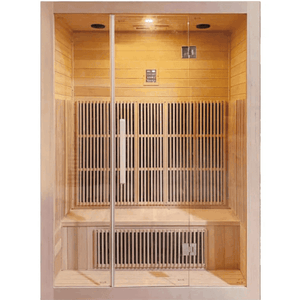
Infrared saunas heat your body directly rather than heating the air around you, so most regular users comfortably stay in for 20 to 30 minutes. Because the heat is gentler on the lungs, longer sessions are often more tolerable than in a traditional sauna.
Traditional Sauna Duration
Traditional saunas heat the air to a much higher temperature, so most people find 10 to 20 minutes is the comfortable range. The higher heat and, in some cases, added steam make longer sessions harder to tolerate safely.
Steam vs Dry Heat Timing Differences
Steam saunas feel hotter at lower temperatures because humidity slows your body's ability to cool itself through sweat evaporation. Dry heat saunas, like most infrared models, allow for slightly longer sessions at the same perceived intensity.
Advanced Sauna Users: How Far Can You Push It?
Multiple Session Protocols
Experienced sauna users, including many athletes, use multiple shorter sessions rather than one long sit. A common approach is three 15 to 20 minute sessions with short cool-down breaks in between.
Session and Cool-Down Cycles
A typical cycle looks like this: 15 to 20 minutes in the heat, followed by a 5 to 10 minute cool-down with water, then repeating for two or three rounds total. This protocol is popular among people who combine sauna sessions with cold plunge therapy.
Infrared vs Traditional Saunas: Does Duration Change?
Yes. Because infrared heat penetrates the body directly at a lower ambient temperature, sessions can safely run longer than in a traditional sauna. If you're deciding between the two for your home, our guide on the difference between traditional saunas and infrared saunas is worth reading alongside your available space and budget.

Factors That Affect How Long You Should Stay
Room Temperature
Higher sauna temperatures naturally mean shorter safe session times. Always check the temperature setting before deciding how long to stay.
Hydration Levels
Being under-hydrated before your session significantly reduces how long you can safely stay in the heat. Drink water before and after every session.
Health Conditions
People with heart conditions, low blood pressure, or who are pregnant should keep sessions shorter and consult a doctor first.
How Often Should You Use a Sauna Each Week?
Most people benefit from 3 to 5 sessions per week. Daily use is generally safe for healthy adults as long as sessions stay within a comfortable duration and hydration is well managed.
Common Mistakes People Make With Sauna Timing
Common mistakes include staying in too long on the first visit, skipping hydration, and ignoring early warning signs like dizziness. Another frequent mistake is jumping straight to advanced multi-session protocols before building basic heat tolerance.
Safety Tips for Longer Sauna Sessions
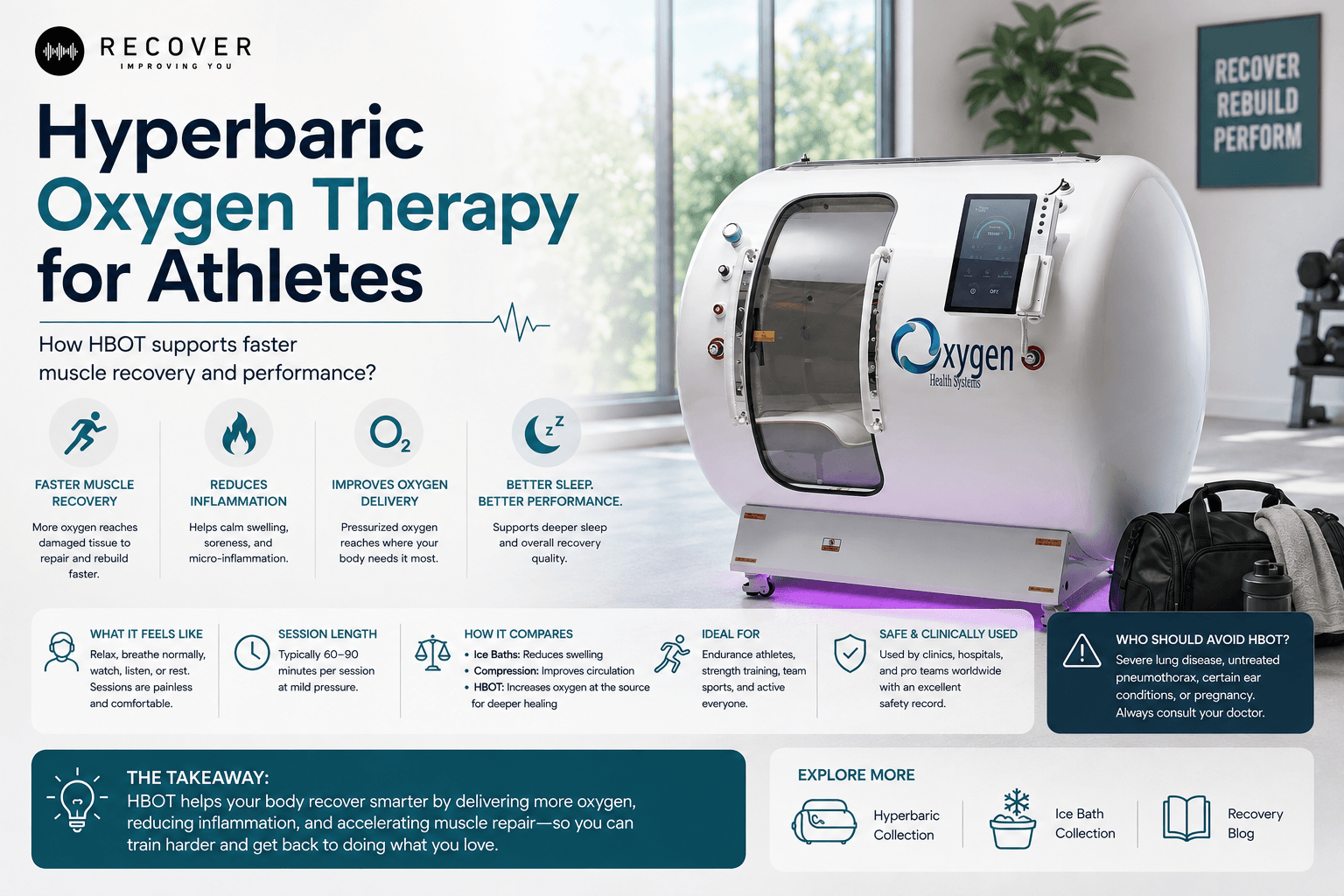
Always hydrate before and after, avoid alcohol before a sauna session, and step out immediately if you feel unwell. If you're combining sauna with an ice bath, allow your heart rate to settle between sessions. Our guide on sauna vs ice bath: which recovery method is right for you covers how to safely combine both.

Closing Thoughts
Looking to bring these benefits home? Explore Recover's range of indoor and outdoor saunas in Dubai and Abu Dhabi, including the Indoor Infrared Sauna built for UAE homes. For more on the benefits before you buy, read what are the real benefits of an infrared sauna and are they worth it.
Frequently Asked Questions
Q 1: How long should a beginner stay in a sauna?
AStart with 5 to 10 minutes for your first few sessions, then gradually increase the time as your body adjusts to the heat.
Q 2: Is it safe to stay in a sauna for 30 minutes?
For experienced users in a well-ventilated infrared sauna, 20 to 30 minutes is generally safe. In a traditional sauna, this may be too long for most people.
Q 3: How often should I use a sauna each week?
Most people benefit from 3 to 5 sessions per week, though healthy adults can often use a sauna daily if hydration and session length are well managed.
Q 4: Can I stay in an infrared sauna longer than a traditional sauna?
Yes. Infrared saunas operate at a lower ambient temperature while heating your body directly, which generally allows for longer, more comfortable sessions.
Q 5: What should I do if I feel dizzy in the sauna?
A: Leave immediately, sit or lie down in a cool area, and drink water. Dizziness is a clear sign your session has gone on too long.











Leave a comment
This site is protected by hCaptcha and the hCaptcha Privacy Policy and Terms of Service apply.