

When top athletes look for an edge in recovery, oxygen therapy is increasingly part of the conversation. Hyperbaric Oxygen Therapy, or HBOT, involves breathing concentrated oxygen inside a pressurised chamber, and it's said to speed up healing, reduce inflammation, and improve performance. But does the science actually back this up? Here's a clear look at how HBOT works and whether it deserves a place in your recovery routine.
What Is Hyperbaric Oxygen Therapy?
HBOT involves sitting or lying inside a sealed chamber where air pressure is raised above normal sea-level pressure. Under this pressure, your lungs can absorb far more oxygen than they would breathing normal air, and that oxygen gets carried through your bloodstream to every tissue in your body.
How a Hyperbaric Chamber Works?
Chambers used for recovery are typically soft-shell or hard-shell units filled with pressurised air or oxygen. As pressure increases, oxygen dissolves directly into your blood plasma, not just your red blood cells, allowing it to reach areas with reduced blood flow, like injured or inflamed tissue.

Why Athletes Are Turning to HBOT?
Faster Muscle Repair
Oxygen is essential for tissue repair. By flooding damaged muscle fibres with extra oxygen, HBOT may help speed up the repair process after intense training or injury.
Reduced Inflammation
Higher oxygen levels help reduce swelling and support the body's natural anti-inflammatory response, which is part of why many athletes report feeling less sore after sessions.
Better Sleep and Recovery Quality
Many users report deeper, more restful sleep after HBOT sessions, which is one of the most important factors in overall recovery and performance.
The Science Behind Oxygen and Muscle Recovery
How Increased Oxygen Levels Help Damaged Tissue?
Damaged muscle tissue often has reduced blood flow, which limits how much oxygen and nutrients reach the area naturally. HBOT bypasses this limitation by dissolving oxygen directly into the plasma, delivering it to tissue that would otherwise struggle to get enough.
HBOT and Lactic Acid Clearance
Some research suggests that increased oxygen availability may support faster clearance of metabolic waste products like lactic acid, which build up during intense exercise and contribute to that heavy, fatigued feeling.
What Does an HBOT Session Actually Feel Like?
Session Duration
A typical recovery-focused HBOT session lasts between 60 and 90 minutes. Many users read, rest, or simply relax during the session since it requires no active effort.
Pressure Levels Used for Recovery
Recovery and wellness chambers usually operate at mild pressure levels, well below the higher pressures used in medical treatment settings. This makes at-home and studio HBOT sessions comfortable and low risk for healthy adults.

HBOT vs Other Recovery Methods
HBOT vs Ice Baths
Ice baths reduce inflammation through cold-induced blood vessel constriction, while HBOT works by increasing oxygen delivery to tissue. Many athletes use both, applying cold plunge therapy immediately after training and HBOT later for deeper tissue repair.
HBOT vs Compression Therapy
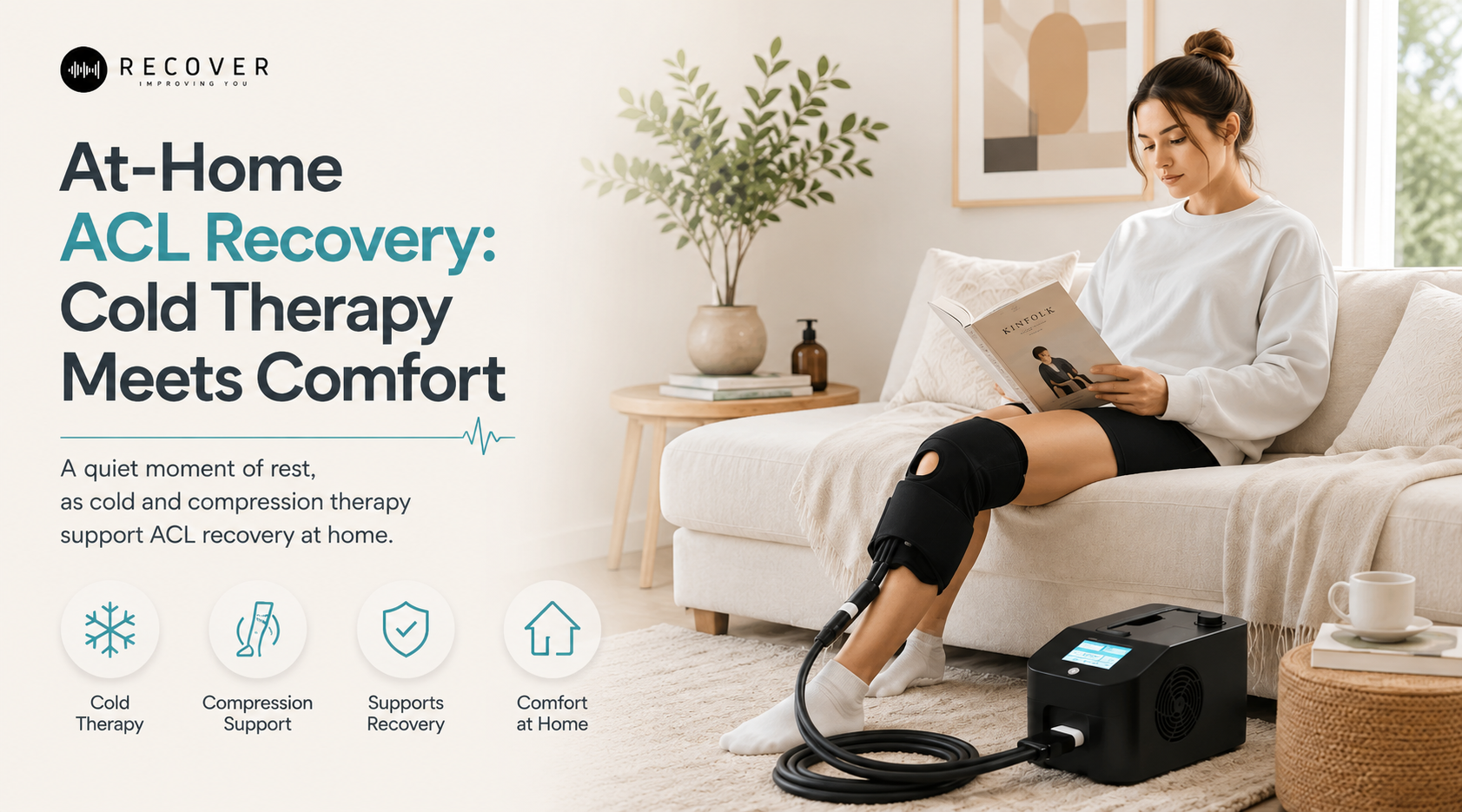
Compression therapy improves circulation mechanically by squeezing limbs to move blood and lymph fluid. HBOT works at a cellular level by increasing the oxygen available in the blood itself. The two methods complement each other rather than compete.
Who Can Benefit Most From HBOT?
Endurance Athletes
Runners, cyclists, and triathletes who train at high volume often use HBOT to manage cumulative fatigue and support recovery between long training blocks.
Strength and Power Athletes
Weightlifters and sprinters recovering from intense strength sessions may use HBOT to reduce soreness and support a faster return to training.
Weekend Warriors and Fitness Enthusiasts
You don't need to be a professional athlete to benefit. Anyone dealing with regular muscle fatigue, slow recovery, or under-recovering from training may notice improvements with consistent use.
How Often Should Athletes Use Hyperbaric Oxygen Therapy?
Frequency depends on training load and goals. Some athletes use HBOT two to three times per week during heavy training blocks, while others use it occasionally around competitions or after particularly intense sessions.
Safety and Who Should Avoid HBOT
HBOT is generally considered safe for healthy adults, but people with certain lung conditions, uncontrolled high fever, or specific ear problems should consult a doctor first. Pregnant women should also seek medical advice before using a hyperbaric chamber.
Bringing Hyperbaric Oxygen Therapy Home
Home hyperbaric chambers have made this recovery tool far more accessible, letting athletes fit sessions around their own schedule instead of booking appointments at a clinic.

Closing Thoughts
Curious about adding HBOT to your recovery stack? Explore Recover's biohacking products collection, which includes hyperbaric chambers alongside red light therapy and contrast therapy combos. Pair it with our guide on what is hyperbaric oxygen therapy and who can benefit from it or read about the top 5 benefits of using a hyperbaric chamber for recovery and performance to go deeper.
Frequently Asked Questions
Q 1: How long does an HBOT session last?
A: Most recovery-focused sessions last between 60 and 90 minutes.
Q 2: Is hyperbaric oxygen therapy safe for athletes?
A: Yes, HBOT is generally considered safe for healthy adults, though those with certain lung or ear conditions should check with a doctor first.
Q 3: How often should athletes use HBOT?
A: This depends on training load. Some athletes use it two to three times per week during heavy training blocks, while others use it occasionally around competitions.
Q 4: Can HBOT replace ice baths or compression therapy?
A: No. HBOT works differently by increasing oxygen delivery at a cellular level, and it works best alongside other recovery tools rather than replacing them.
Q 5: Do you need a prescription for a wellness hyperbaric chamber?
A: Wellness and recovery chambers used for general fitness purposes typically don't require a prescription, but always check local regulations and consult a doctor if you have health concerns.








Leave a comment
This site is protected by hCaptcha and the hCaptcha Privacy Policy and Terms of Service apply.