

You step off a flight feeling tired, dehydrated, foggy, and stiff — even after a relatively short journey.
For frequent travellers flying in and out of Dubai and Abu Dhabi, this post-flight sluggishness is a familiar experience. And while most people chalk it up to "jet lag", the reality is more nuanced.
Post-flight fuzziness is the result of several distinct physiological stressors — each of which can be addressed specifically and systematically.
🔍 Quick Answer
Flying causes brain fog, fatigue, and stiffness through five main mechanisms: reduced oxygen from cabin pressure, accelerated dehydration from low cabin humidity, circadian rhythm disruption, reduced circulation from prolonged sitting, and nervous system stress from the travel environment. Each has a targeted recovery solution.
Why Flying Makes You Feel So Bad: 5 Physiological Reasons?
1. Cabin Pressure Reduces Available Oxygen
Commercial aircraft cabins are pressurised — but not to sea-level conditions. Most long-haul flights maintain a cabin altitude equivalent to approximately 6,000–8,000 feet above sea level.
At this simulated altitude:
- Blood oxygen saturation drops by 4–10% compared to ground level
- Your heart works slightly harder to maintain adequate oxygen delivery
- Mental clarity, focus, and reaction time decline
- Physical fatigue accelerates faster than normal
The effects are amplified if you board the flight already tired, dehydrated, or stressed — which describes the majority of UAE business travellers.
2. You Become Dehydrated Faster Than You Realise
Aircraft cabin humidity is typically maintained at around 10–20% — significantly lower than even desert climates like Dubai (which averages 50–60% humidity).
This extremely dry environment accelerates:
- Water loss through respiration (you breathe out more moisture)
- Skin dryness and eye irritation
- Thickening of mucus membranes
- Muscle tightness and cramping
- Cognitive performance decline
The problem is compounded by typical traveller behaviour:
- Drinking coffee or alcohol before and during flights (both diuretics)
- Eating salty airport food that increases fluid retention needs
- Forgetting to add electrolytes — which are needed for effective cellular hydration, not just water volume
By the time you land, significant dehydration is common — even if you had several glasses of water on board.
3. Your Circadian Rhythm Gets Disrupted
Flying — particularly across time zones, or on late departures and early arrivals — interferes with your body's master biological clock.
The circadian rhythm controls:
- Sleep and wake timing
- Cortisol and melatonin secretion rhythms
- Body temperature fluctuations
- Digestive function and appetite
- Energy and alertness patterns
Even without crossing time zones, the combination of artificial airport lighting, irregular meal timing, disrupted sleep, and early-morning or late-night travel creates a degree of circadian desynchrony — which presents as grogginess, low mood, reduced motivation, and poor sleep quality after landing.
4. Prolonged Sitting Impairs Circulation
Long periods of inactivity in a cramped aircraft seat reduce blood flow and create progressive stiffness through:
- Hip flexors and lower back (compressed in seated position for hours)
- Hamstrings and calves
- Neck and shoulders
Reduced circulation also impairs lymphatic drainage, contributing to:
- Swollen ankles and feet
- Heavy, fatigued legs
- Systemic sluggishness that many travellers incorrectly attribute to jet lag
In reality, much of the stiffness and fatigue felt after a long flight is a circulation and mobility issue — not circadian disruption — and responds well to targeted movement and contrast therapy.
5. Flying Is a Genuine Nervous System Stress Event
Even when travel runs smoothly, the experience of flying activates the sympathetic nervous system:
- Noise exposure throughout the flight
- Crowded environments and personal space compression
- Time pressure, security stress, and logistical demands
- Constant low-level stimulation with no genuine rest
- Disrupted sleep during flight (even with business class seats)
This sustained sympathetic activation — the "wired but tired" feeling — elevates cortisol, reduces immune function, and impairs recovery capacity. Frequent flyers often normalise this state without realising how significantly it affects their performance and mood for 24–48 hours after landing.
The Complete Post-Flight Recovery Protocol
Before the Flight: Set Yourself Up for Faster Recovery
Hydrate the Day Before — Not at the Airport
Most people begin a flight already mildly dehydrated. Start hydrating properly 24 hours before departure:
- Consistent water intake throughout the day before travel
- Add electrolytes the evening before (sodium, potassium, magnesium)
- Reduce alcohol intake for 24–48 hours pre-flight
- Limit caffeine to morning only
Prioritise Sleep Before Travel
A single night of poor sleep before flying significantly worsens every post-flight symptom — jet lag, brain fog, mood, immune response, and recovery capacity.
Avoid:
- Last-minute packing that pushes bedtime late
- Alcohol as a sleep aid the night before travel
- Screen use within 60 minutes of sleep time
Eat Lighter Before Flying
Heavy meals before boarding worsen bloating, fatigue, and digestive sluggishness in a pressurised cabin.
Prioritise:
- Lean protein
- Hydrating fruits and vegetables
- Moderate complex carbohydrates
- Minimal processed, salty, or fried foods
During the Flight: Active Recovery
Move Every 60–90 Minutes
Consistent movement is the single most effective tool for managing in-flight circulation and reducing post-landing stiffness:
- Stand and walk the aisle
- Calf raises and ankle rotations in the aisle
- Hip flexor stretches and seated spinal rotations
- Shoulder and neck mobility
Manage Alcohol Intake
Alcohol in a pressurised cabin hits harder than at ground level because of reduced oxygen, accelerated dehydration, and fatigue. Even moderate intake worsens post-flight recovery, sleep quality the following night, and brain fog duration.
Use Compression Socks on Longer Flights
Graduated compression socks (15–20 mmHg) improve venous return from the lower legs and meaningfully reduce the swelling, heaviness, and fatigue associated with long-haul flying. Particularly valuable for frequent flyers, anyone over 40, and those with desk-based jobs who already have reduced lower-body circulation.
After Landing: The Recovery Window Matters Most
The 4–6 hours after landing represent the most impactful recovery window. What you do in this period determines how quickly you return to baseline.
Get Natural Light Immediately
Sunlight is the most powerful circadian reset signal available. Even 15–20 minutes of exposure to natural daylight on arrival:
- Suppresses residual melatonin and increases alertness
- Accelerates circadian clock resynchronisation to local time
- Reduces jet lag severity for the following night's sleep
- Improves mood through serotonin pathway activation
Rehydrate With Electrolytes — Not Just Water
Water alone is insufficient for effective rehydration after flying. Cellular hydration requires electrolytes:
- Sodium (lost through respiration and sweat)
- Potassium (supports muscle function and energy)
- Magnesium (critical for muscle relaxation and sleep quality)
Many post-flight headaches, muscle cramps, and fatigue symptoms are electrolyte deficiency — not simply dehydration.
Move Your Body Before You Rest
The temptation after landing is to go straight to a sofa or bed. Resist it. Even a 15–20 minute walk, light swim, or mobility session before resting dramatically improves:
- Circulation and lymphatic drainage
- Mood and motivation
- Muscle stiffness and joint mobility
- Sleep quality that evening
Use Contrast Therapy to Reset Faster
For frequent travellers, contrast therapy — alternating between heat and cold exposure — is one of the most effective tools for accelerating post-flight recovery.
|
Therapy |
Post-Flight Benefit |
How It Works |
|
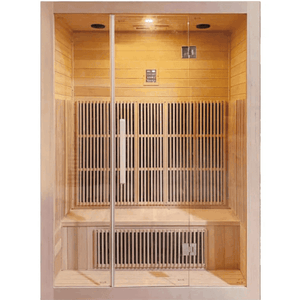
Infrared Sauna |
Muscle relaxation, circulation boost, stress reduction |
Deep heat penetrates tissue; promotes parasympathetic recovery |
|
Cold Plunge / Ice Bath |
Inflammation reduction, alertness reset, mood elevation |
Cold shock response activates norepinephrine; reduces systemic inflammation |
|
Contrast (Heat + Cold) |
Full nervous system reset, rapid recovery |
Alternating vasodilation/vasoconstriction pumps circulation; resets nervous system tone |
For many frequent flyers in Dubai and Abu Dhabi, a post-flight sauna session followed by a cold plunge is one of the most reliable ways to shift from that drained, foggy post-travel state back to functional clarity within a few hours.
The Biggest Mistake Frequent Travellers Make
They treat flying as passive time — something that happens to them — rather than a physiological stress event that requires active management before, during, and after.
The travellers who handle frequent flying best consistently do the following:
- Hydrate deliberately before and during flights
- Move consistently every 60–90 minutes inflight
- Manage sleep properly in the 48 hours around travel
- Recover proactively after landing — sunlight, hydration, movement, and contrast therapy
- Avoid relying on caffeine as the primary recovery tool
Small, consistent habits compound dramatically when you're flying multiple times each month.
Post-Flight Recovery Checklist
|
Timeframe |
Action |
Why It Matters |
|
Immediately on landing |
Water + electrolytes |
Combat accelerated in-flight dehydration |
|
First 30 minutes |
15–20 mins natural sunlight exposure |
Fastest circadian clock reset signal |
|
Within 1–2 hours |
Light walk or mobility session |
Restore circulation; reduce stiffness |
|
Within 2–4 hours |
Protein-based meal |
Support recovery and stabilise blood sugar |
|
Within 4–6 hours |
Sauna or hot shower |
Muscle relaxation; parasympathetic shift |
|
Optional — same day |
Cold plunge or ice bath |
Alertness reset; inflammation reduction |
|
That evening |
Early sleep — aim for local time |
Fastest route to circadian resynchronisation |
|
Next 24 hours |
No excessive alcohol |
Alcohol disrupts REM and extends recovery timeline |
Reset After Every Flight — With Recover.ae
Ice baths, infrared saunas, and contrast therapy tools for faster travel recovery. Express delivery across Dubai and Abu Dhabi. Rental options available.
→ Explore Recovery Tools at Recover.ae









Leave a comment
This site is protected by hCaptcha and the hCaptcha Privacy Policy and Terms of Service apply.