

Stepping off a long-haul flight with swollen legs, a heavy head, and zero energy is something every frequent traveller knows too well. Sitting still for hours at high altitude puts real strain on your circulation, and it can take days to fully recover. Compression therapy has become a go-to recovery tool for travellers looking to bounce back faster, and in this guide, we explain exactly why it works and how to use it after your next flight.
Why Long Flights Cause Swelling and Fatigue?
What Happens to Circulation at High Altitude?
Cabin pressure on long flights is lower than at sea level, which affects how efficiently your blood carries oxygen around your body. Combined with hours of sitting still, this slows circulation significantly, especially in your legs and feet.
Why Your Legs Swell on Long-Haul Flights?
Gravity naturally pulls fluid downward, and without regular movement, that fluid pools in your lower legs and ankles. This is why compression socks and in-flight stretching are commonly recommended for long trips.
What Is Compression Therapy?
Compression therapy uses air pressure to gently squeeze your legs or arms in rhythmic waves, helping push blood and lymph fluid back toward your heart. It's widely used by athletes for recovery and is equally effective for travellers dealing with post-flight swelling.
How Pneumatic Compression Devices Work?
Compression boots or leg compression massage devices contain multiple air chambers that inflate and deflate in sequence, starting at your feet and moving upward. This mimics your body's natural muscle pump action, which slows down significantly when you're sitting for long periods.
How Compression Therapy Helps After Flying?
Reducing Leg and Ankle Swelling
By actively moving fluid out of your lower legs, compression therapy can noticeably reduce the puffiness and heaviness that builds up during a long flight.
Supporting Circulation and Reducing Blood Clot Risk
Improved circulation lowers the risk of blood pooling, which is one of the main concerns with prolonged sitting on long-haul journeys. While compression therapy isn't a medical treatment for clotting conditions, it supports healthy blood flow.
Easing Muscle Stiffness From Sitting
Hours in a cramped seat leave your legs stiff and tight. Compression sessions help release that tension and get you moving comfortably again much faster.
Compression Therapy and Jet Lag Recovery
How Better Circulation Supports Faster Adjustment?
While compression therapy doesn't directly reset your body clock, improved circulation and reduced physical fatigue make it easier for your body to adjust to a new time zone. Many travellers pair a compression session with light movement and daylight exposure for a faster reset.

When to Use Compression Therapy After a Flight?
Immediately After Landing
A session right after you land can help kick-start circulation and reduce that heavy, swollen feeling before you even leave the airport area.
The Day After
A second session the following day helps clear any remaining fluid buildup and eases lingering stiffness, especially useful before an important meeting or workout.
Compression Therapy vs Compression Socks: What's the Difference?
Compression socks provide constant, passive pressure throughout your flight, which is great for prevention. Compression therapy devices provide active, rhythmic pressure after you land, which is more effective for actually clearing fluid buildup rather than just preventing it.
Who Should Be Careful With Compression Therapy?
People with certain circulatory conditions, active blood clots, or specific skin conditions should check with a doctor before using compression therapy. It's generally safe for healthy adults but always worth confirming if you have any underlying health concerns.
Building a Post-Flight Recovery Routine
Combining Compression With Ice Baths or Saunas
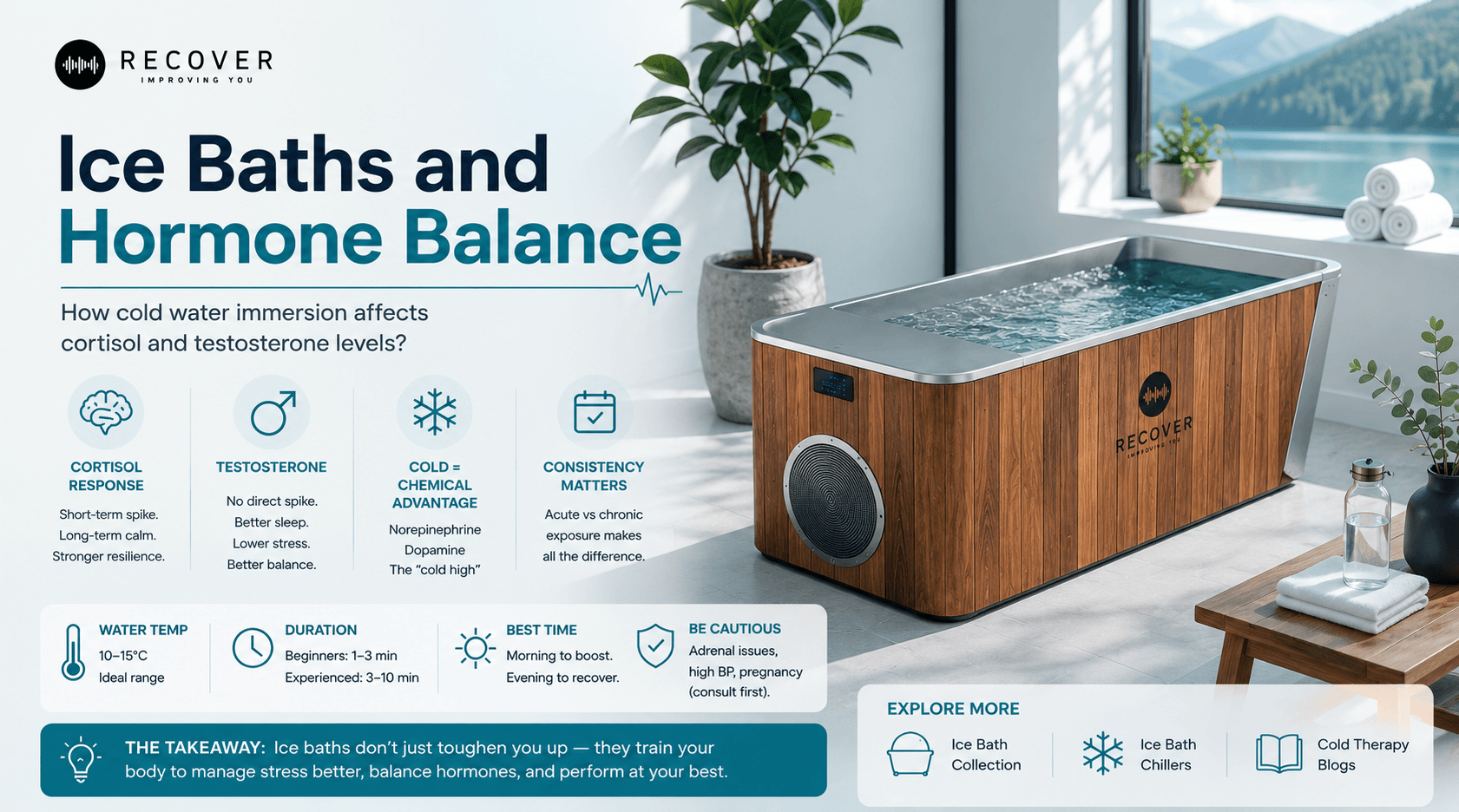
Many frequent travellers combine compression therapy with a short ice bath session or sauna to reset both circulation and energy levels. A cold plunge can help with alertness and inflammation, while a sauna session supports relaxation and better sleep on your first night back.
What Is Contrast Therapy and How Does It Fit In?
If you're building out a full post-travel recovery routine, it's worth understanding what contrast therapy is and how alternating hot and cold can further support circulation, especially when jet lag and muscle stiffness hit at the same time.

Closing Thoughts
Ready to recover faster from your next trip? Explore Recover's contrast therapy and wellness combos designed for travellers and athletes alike, or browse our services and accessories for everything you need to build a complete recovery routine at home. For more travel recovery tips, read how to start biohacking on a budget.
Frequently Asked Questions
Q 1: Does compression therapy help with jet lag?
A: It doesn't directly reset your body clock, but improved circulation and reduced fatigue make it easier for your body to adjust to a new time zone.
Q 2: How soon after a flight should I use compression therapy?
A: Immediately after landing is ideal, with a second session the next day if swelling or stiffness lingers.
Q 3: Is compression therapy the same as compression socks?
A: No. Compression socks apply constant passive pressure during your flight, while compression therapy devices use active, rhythmic pressure after you land to clear fluid buildup.
Q 4: Can compression therapy reduce the risk of blood clots on long flights?
A: It supports healthy circulation, which is beneficial, but it isn't a medical treatment for clotting conditions. Speak to a doctor if you have specific concerns.
Q 5: Can I combine compression therapy with an ice bath after a flight?
A: Yes. Many travellers pair compression therapy with a short ice bath or sauna session to reset both circulation and energy levels after landing.







Leave a comment
This site is protected by hCaptcha and the hCaptcha Privacy Policy and Terms of Service apply.