

Quick Answer
Getting back on track after summer isn't about a detox — it's about restoring the body's normal signals. Recover's guidance is to give yourself five to seven days and gradually rebuild sleep regularity, morning sunlight exposure, hydration, movement, and recovery routines like cold exposure, sauna and red light therapy, rather than trying to fix everything on day one.
Summer is brilliant for switching off, but it isn't always brilliant for routine.
Travel, late nights, alcohol, different food, less movement and inconsistent sleep all add up. By the end of summer, it's common to feel a little sluggish, sleep poorly and generally not feel quite as sharp as you did before.
We don't particularly like the idea of a post-summer “detox.” Your body doesn't need cleansing. What it usually needs is a return to rhythm — restoring the daily signals that anchor your circadian rhythm and sleep regularity.
And that doesn't happen overnight.
The Recover Guidance: Give Yourself a Week
If your sleep and routine have been disrupted for several weeks, don't expect one early night and a hard workout to fix everything.
Give yourself five to seven days and gradually bring the fundamentals back.
Your body responds to signals. After summer, the objective is simply to make those signals predictable again.
1. Get Your Sleep Regular Again
This is the priority.
Try to go to bed and, perhaps more importantly, wake up at approximately the same time every day.
Don't worry if the first few nights aren't perfect. After weeks of different beds, late nights, travel and changing routines, it can take the best part of a week for sleep to start feeling properly settled again.
Try not to compensate for a poor night with a huge lie-in. A relatively consistent wake time helps reinforce the rhythm you're trying to rebuild.
As evening approaches, progressively reduce stimulation. Dim the lights, step away from work, reduce bright screens and allow the day to actually finish.
2. Move Early
You don't need to immediately return to your hardest training session. Start with early-morning movement.
Walk. Stretch. Cycle. Swim. Do an easy gym session. The objective is simply to get moving again.
Morning activity is a useful signal that the day has started and, combined with daylight exposure, can help reinforce your normal daily rhythm.
3. Get Outside and Find the Sun
One of the simplest things you can do is also completely free.
Get outside early in the day.
Natural morning light provides a powerful timing signal to the body's circadian system. After travel, late mornings and inconsistent sleep, regular morning daylight helps reinforce when your body should be awake — which ultimately helps it recognise when it should be preparing for sleep later.
And don't make morning sunlight your only exposure to the outside world. Try to get outside periodically throughout the day rather than spending the entire working day under artificial lighting.
4. Get Your Fluids Back Up
Travel, flying, hotter weather and increased alcohol consumption can all disrupt normal hydration habits.
Start drinking consistently again rather than trying to compensate by drinking enormous amounts of water at once.
In the UAE climate, fluids and electrolytes matter, particularly when you're also returning to exercise, sauna and outdoor activity.
Make hydration part of the day again rather than something you suddenly remember at 5pm.
5. Give Alcohol a Break
There's no need to turn September into a punishment for enjoying summer. But a few alcohol-free evenings can make returning to normal considerably easier.
Alcohol may make you feel sleepy initially, but it can interfere with sleep quality later in the night. If you're trying to restore sleep, recovery and morning energy, reducing alcohol for the first part of the reset removes one of the variables working against you.
6. Return to Normal Food — and Normal Times
No cleanse. No juice diet. No extreme restriction.
Simply return to the way you normally know you should eat.
Regular meals, plenty of whole foods, fruit and vegetables, adequate protein and less highly processed food.
It's also worth thinking about when you're eating. Holidays and travel tend to push meals later and make eating patterns unpredictable. Bringing breakfast, lunch and dinner back towards relatively consistent times gives the body another familiar daily signal.
After a few weeks of eating and drinking differently, normality is often enough.
7. Bring Caffeine Back Into Its Place
Coffee can easily creep later into the day during holidays, particularly when sleep has been poor.
As you reset, try to keep most caffeine towards the earlier part of the day.
Using more caffeine to compensate for poor sleep can create a cycle: you're tired, so you drink caffeine later; later caffeine affects sleep; and the following morning you need even more.
Sometimes the better solution to feeling tired is simply allowing yourself to be tired enough to sleep properly that evening.
8. Bring Training Back Gradually
The temptation after a holiday is to go straight into a huge training week. You don't need to.
Get moving first, restore sleep and hydration, and then gradually increase training intensity across the week.
You're not trying to compensate for workouts you missed while you were away. You're rebuilding the conditions that allow you to train well again.
9. Layer Recovery Back In
Once the fundamentals are returning, start bringing your normal recovery routine back with them.
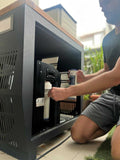
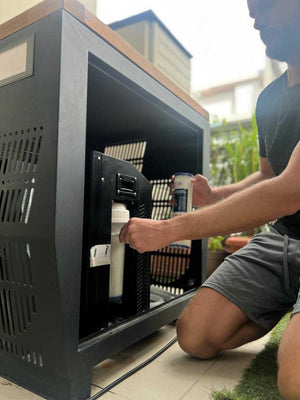
Cold exposure can work brilliantly in the morning or during the day when you're looking for that feeling of alertness and a clear transition back into routine. Our ice bath and cold plunge range makes this easy to build into a morning routine.
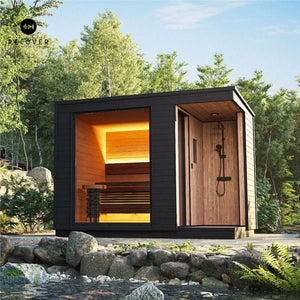
Sauna can return alongside training, while also creating a period where you deliberately slow down and switch off. Browse our range of home saunas to find the right fit.
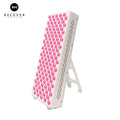
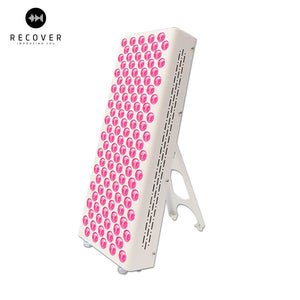
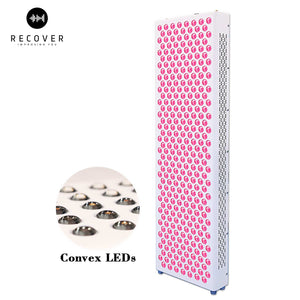
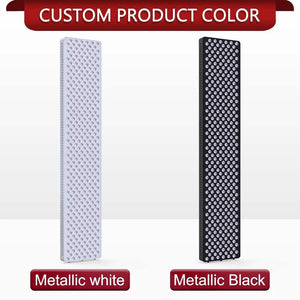
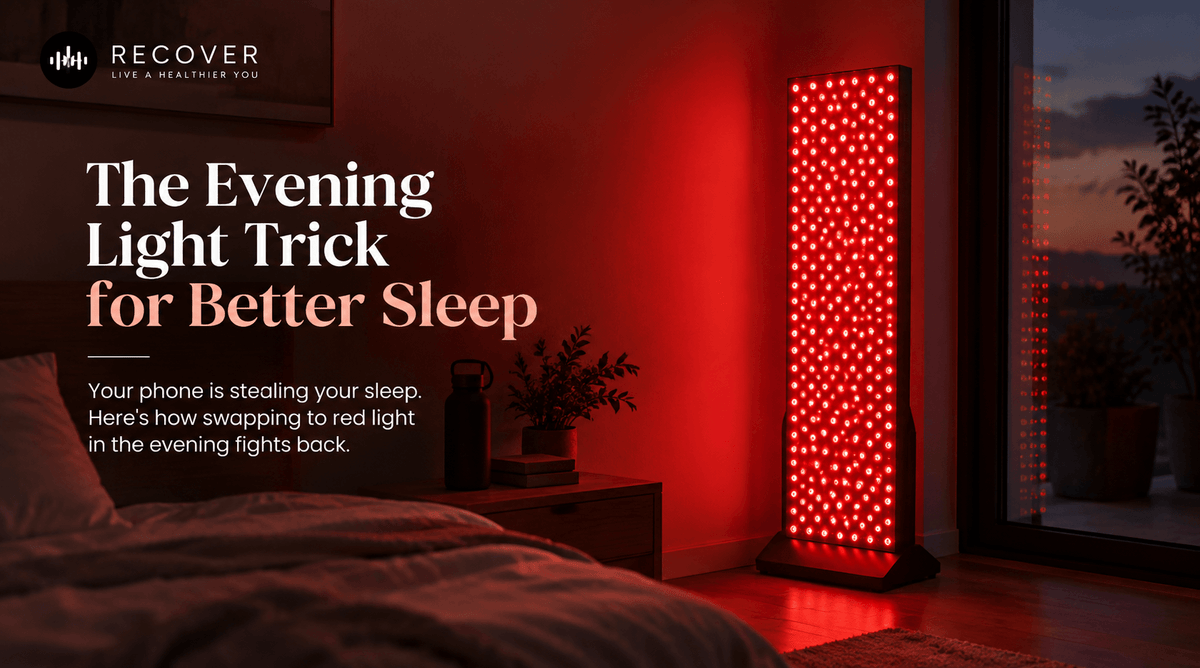
Red light therapy can fit naturally into the evening. Red wavelengths have considerably less impact on the body's night-time signalling than blue-rich light, making it easy to incorporate into a calmer pre-sleep environment with a panel like the Recover RP600 Facial Red Light Therapy Panel.
None of these replace sleep, movement, daylight, hydration or nutrition. They complement them.
10. Make the Bedroom Part of the Reset
Your environment matters too.
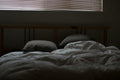
A dark, quiet and comfortably cool bedroom supports the natural changes that occur as the body prepares for sleep.
Try to make the final hour of the day noticeably different from the rest of it: lower lighting, less work, fewer notifications and a cooler, calmer environment.
Rather than thinking about bedtime as the moment you get into bed, think about creating a transition into sleep.
11. Don't Become Obsessed With the Numbers
Wearables can be incredibly useful during a reset.
Sleep regularity, resting heart rate, HRV and recovery scores can all give you an indication that things are beginning to normalise.
But don't chase a perfect score.
Pay attention to the other signs too.
Are you waking more easily? Is your energy better through the afternoon? Does training feel good again? Are you naturally getting tired at the right time?
Those are often the most useful indicators that your rhythm is returning.
Don't Try to Fix Everything on Monday
The most important part of our post-summer guidance is not turning recovery into another stress.
Days 1–2: Regular wake time, early movement, morning sunshine, fluids, normal meals and earlier caffeine.
Days 3–4: Training begins to increase. Alcohol stays low. Sauna and cold exposure can start returning.
Days 5–7: Sleep should be becoming more regular, training can progress and your normal recovery routine can return. Evening red light, sauna and a cooler sleep environment can help reinforce the distinction between an active day and a restful night.
By the end of the week, you should be much closer to your normal rhythm.
Your Body Responds to Signals
Morning light says the day has started.
Movement says it's time to be active.
Regular meals reinforce the daily schedule.
A consistent wake time anchors your body clock.
Lower evening light tells the body the day is ending.
Recovery creates the transition between activity and rest.
Sleep allows the whole process to repeat.
Feeling optimal rarely comes from one dramatic intervention. It's usually the accumulation of relatively simple things done consistently.
Sleep regularly. Move early. Get outside. Hydrate. Eat normally. Train. Recover. Repeat.
After summer, you don't need to detox.
Give your body a week of the right signals and let it find its rhythm again.
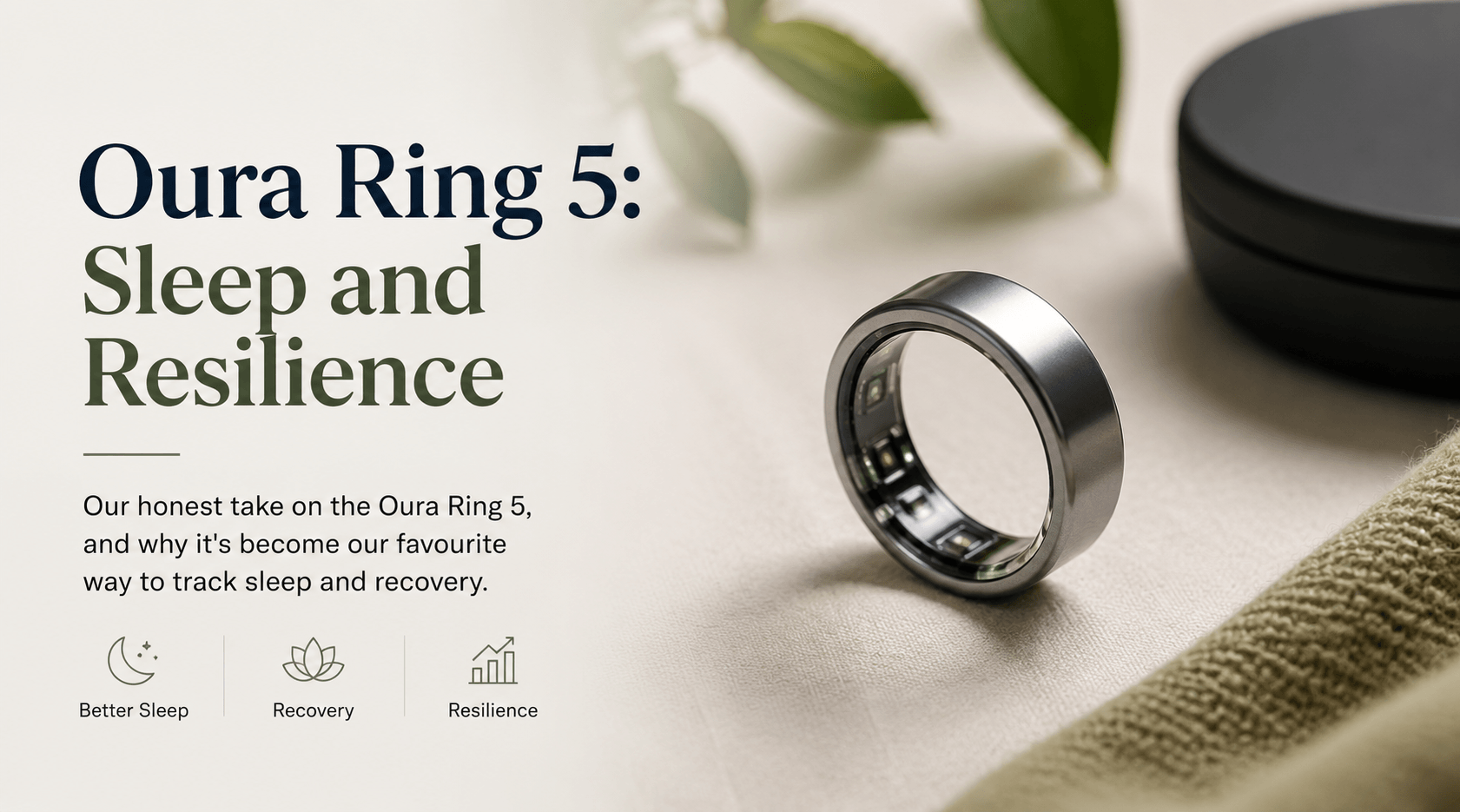
If you're tracking how your own rhythm and resilience recover over the week, our review of the Oura Ring 5 looks at how sleep and recovery data can show this process happening.
Frequently Asked Questions
Q 1. How long does it take to get back on track after summer?
Recover's guidance is to allow five to seven days for sleep and routine to properly reset. Trying to fix everything in one day rarely works — gradual, consistent signals rebuild rhythm more reliably.
Q 2. Do I need to detox after summer?
No. The body doesn't need cleansing through juice diets or extreme restriction. Returning to regular meals, consistent sleep, hydration and movement is far more effective than a detox.
Q 3. What's the most important habit to restore first?
Sleep regularity is the priority. Waking up at approximately the same time every day, even if the first few nights aren't perfect, helps reinforce the body's circadian rhythm faster than any other single change.
A 4. Can cold exposure, sauna and red light therapy help with a post-summer reset?
Yes. Cold exposure in the morning supports alertness, sauna alongside training encourages deliberate wind-down time, and red light therapy in the evening fits naturally into a calmer pre-sleep routine, without replacing sleep, movement or hydration.
Q 5. Should I use a wearable to track my reset?
Wearables tracking sleep regularity, resting heart rate and HRV can help confirm things are normalising, but the goal is progress over the week, not a perfect daily score.
Rebuild Your Recovery Routine
Explore ice baths and cold plunges, home saunas, and red light therapy panels to bring your recovery routine back alongside your reset week.








Leave a comment
This site is protected by hCaptcha and the hCaptcha Privacy Policy and Terms of Service apply.