

Understanding What Really Matters in a Red Light Therapy Panel
Red light therapy has quickly moved from niche biohacking tool to a core part of modern recovery and longevity routines.
But as demand has grown, so has the number of low-quality panels — many of which look similar but deliver very different results in practice.
If you’re considering adding red light therapy into your routine, here’s what actually matters — and how to avoid buying something that simply won’t perform.

LED Count: What It Really Means?
One of the most common marketing angles is highlighting high LED numbers. But LED count alone can be misleading:
-
- LEDs determine coverage, not output
- More LEDs spread across a large panel can actually reduce intensity per area
- LEDs determine coverage, not output
What matters more is how efficiently those LEDs are used — specifically:
-
- Even spacing
- Consistent distribution
- No weak zones across the panel
- Even spacing
This ensures your body receives uniform exposure, rather than inconsistent results.
Irradiance: The Most Important Factor for Results
If there’s one specification that truly matters, it’s irradiance.
Irradiance (measured in mW/cm²) is the amount of light energy your body actually receives at a given distance from the panel.
Put simply: It’s not about how bright the panel looks — it’s about how much usable energy reaches your tissue.
Why This Matters?
For red light therapy to have an effect, the light needs to:
-
- Penetrate the skin
- Reach the target tissue
- Deliver enough energy to trigger a biological response
- Penetrate the skin
If the irradiance is too low, the light may reach the skin — but not in a meaningful way.

Understanding Real-World Output
Most brands list irradiance at 0 cm (directly against the panel). In reality, you’ll typically stand 15–30 cm away.
At that distance:
-
- Output drops significantly
- Lower-quality panels become far less effective
- Output drops significantly
This is why high initial irradiance matters — it ensures usable output at realistic distances.
Practical Irradiance Ranges
-
-
Under 50 mW/cm² → minimal effect
-
50–100 mW/cm² → moderate
- 100–160+ mW/cm² → effective therapeutic range
-
Under 50 mW/cm² → minimal effect
Panels operating in this range allow for:
-
- Shorter sessions
- Deeper penetration
- More noticeable results
- Shorter sessions
What to Watch Out For?
- Brands that don’t clearly state irradiance
- Measurements taken unrealistically close
- High LED counts hiding low output
At Recover, panels are designed for real-world performance, not just specifications on paper.

Wavelengths: Red Light vs Near Infrared
Not all light penetrates the body the same way.
The two key ranges are:
-
- 630–660nm (Red Light) → skin and surface tissue
- 810–880nm (Near Infrared) → deeper muscle and joints
- 630–660nm (Red Light) → skin and surface tissue
A panel that combines both allows you to address:
-
- Skin repair and glow
- Deep muscle recovery
- Inflammation support
- Skin repair and glow
Single-wavelength devices limit overall results.
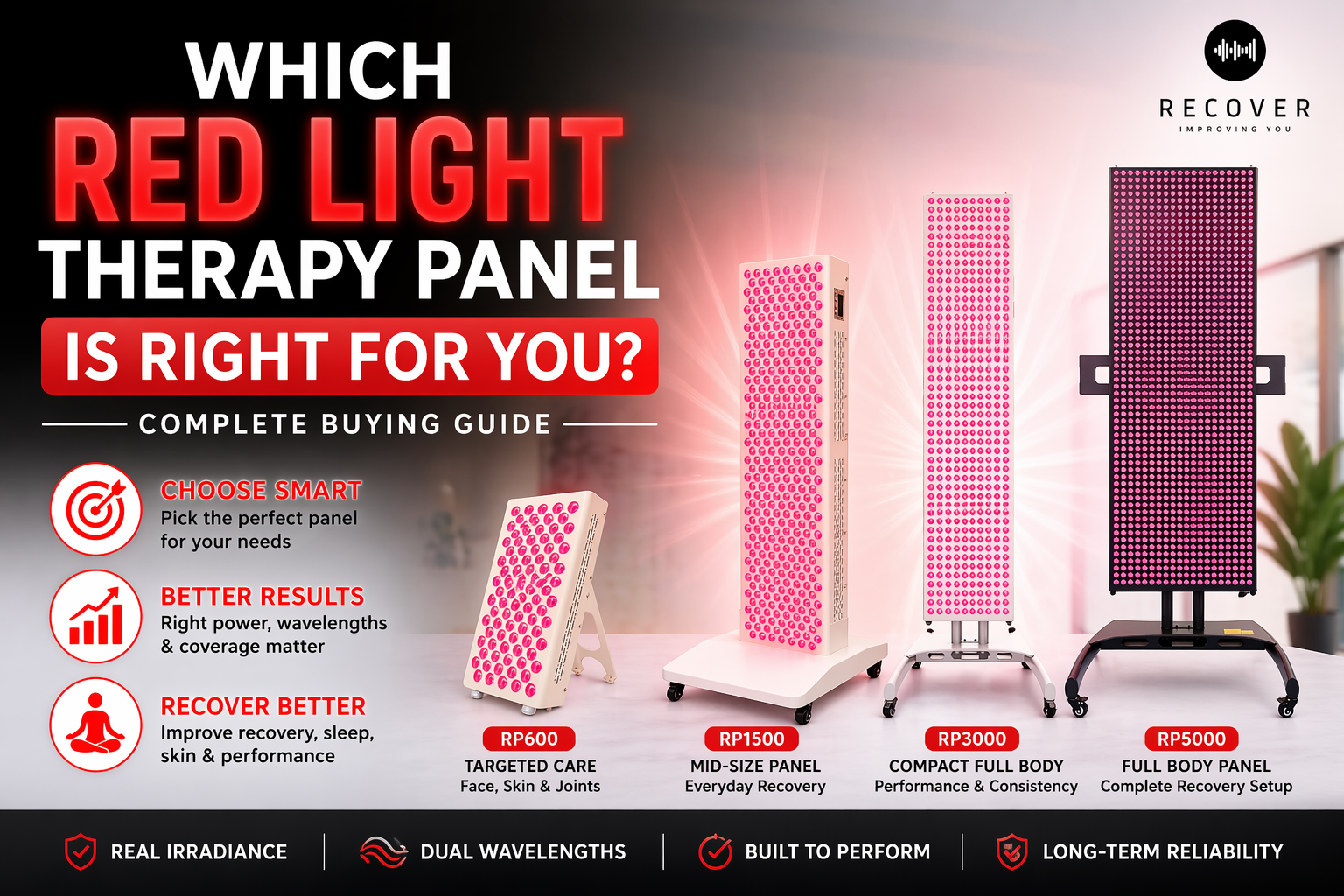
Panel Size: Match the Panel to Your Goal
Choosing the right size is one of the most practical decisions.
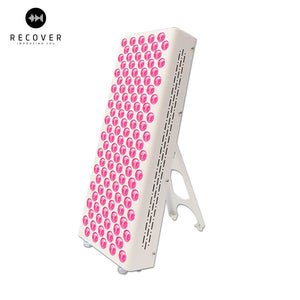
Small Panels
-
- Face, joints, targeted areas
- Requires repositioning
- Face, joints, targeted areas
Mid-Size Panels
-
- Upper body coverage
- Balanced for daily use
- Upper body coverage
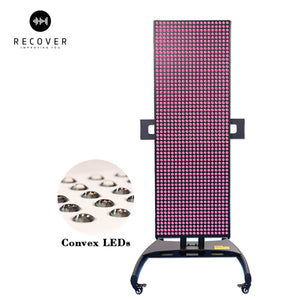
Full Body Panels
-
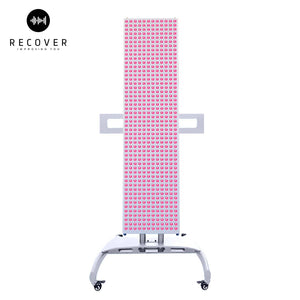
- Complete coverage
- No repositioning
- Best for recovery and performance
- Complete coverage
The key is simple: Choose what you’ll use consistently
Fixed Panels vs Flexible Devices
Flexible devices are often marketed as advanced — but come with trade-offs.
Flexible Devices
-
- Lower output
- Inconsistent positioning
- Uneven exposure
- Lower output
Fixed Panels
-
- Stable output
- Consistent distance
- Reliable performance
- Stable output
For real results, fixed panels provide a more controlled setup.
LED Design: Where Performance Comes From?
The quality of LEDs directly affects performance.
High-quality panels include:
-
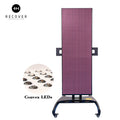
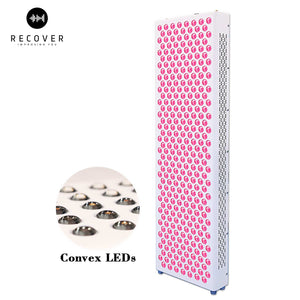
- Lens-focused LEDs
- Dual-chip wavelength design
- High power diodes
- Lens-focused LEDs
These impact:
-
- Penetration depth
- Session efficiency
- Overall effectiveness
- Penetration depth
Build Quality & Long-Term Use
A red light therapy panel is not a one-time device. It’s something you use multiple times per week.
Important factors:
-
- Consistent power output
- Proper cooling systems
- Durable internal components
- Consistent power output
Low-quality panels often lose power over time.
The Bottom Line
When choosing a red light therapy panel, prioritise:
- Irradiance
- Dual wavelengths
- Panel size
- LED quality
- Ease of use
This removes confusion and helps you choose correctly.
Why This Matters? (Especially in UAE)
Modern lifestyles affect natural health patterns:
-
- Artificial lighting
- High screen exposure
- Poor sleep cycles
- Stress
- Artificial lighting
In the UAE, indoor living makes this even more relevant.
Red light therapy helps restore natural balance — but only when the device is powerful enough.
The Recover Approach
At Recover, the focus is simple:
- Effective irradiance
- Dual wavelength systems
- Fixed panel design
- Long-term reliability
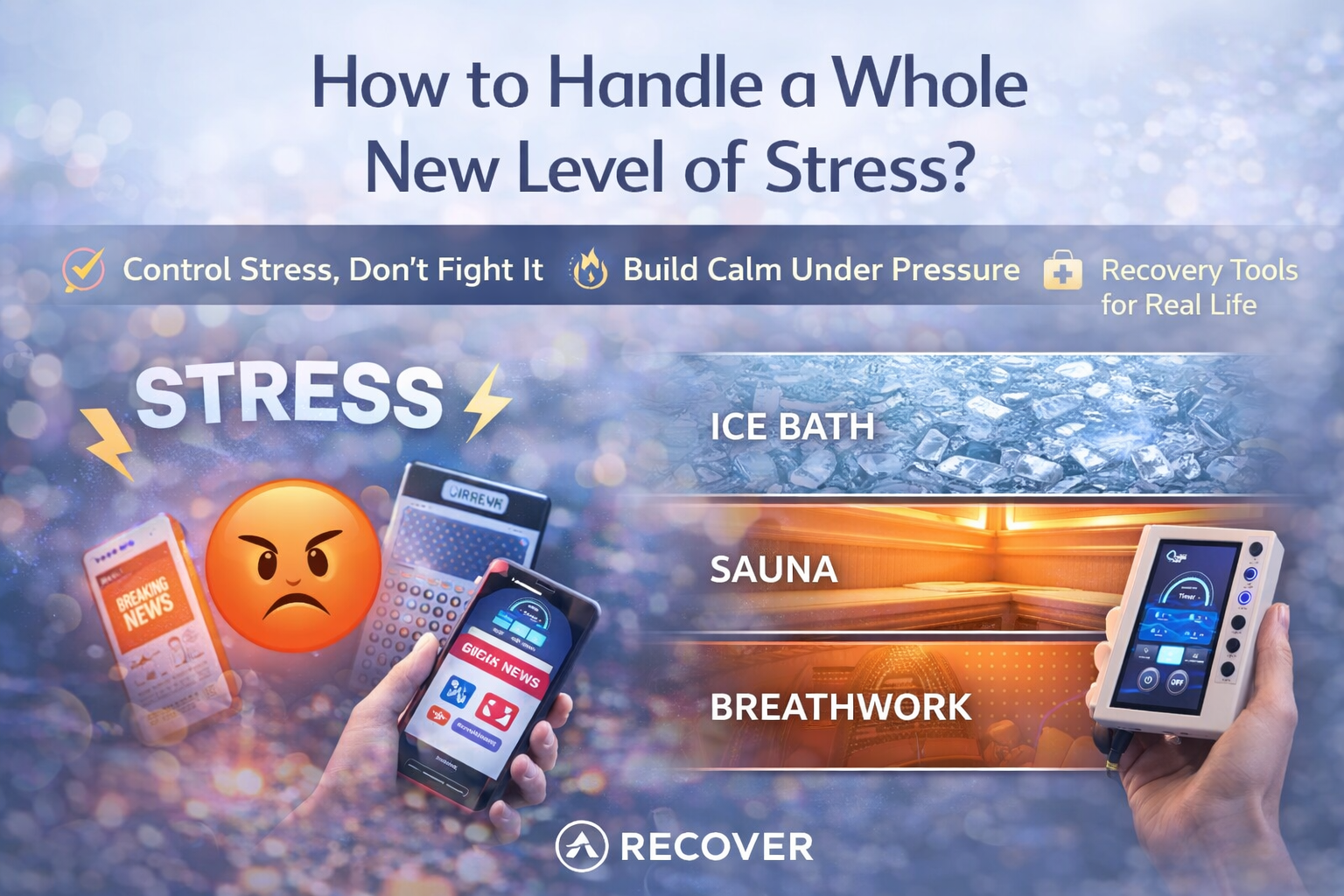
For best results, red light therapy works alongside:
Ice baths
Sauna therapy
Recovery routines






Leave a comment
This site is protected by hCaptcha and the hCaptcha Privacy Policy and Terms of Service apply.