

How Ice Baths, Sauna Therapy, and Breathwork Train Your Nervous System?
Most people think of recovery tools as physical aids — ways to reduce soreness, relax muscles, or recover faster after training.
But their real value goes deeper.
Ice baths, saunas, and breathwork don’t just influence muscles and circulation. They directly affect the systems that govern stress, mood, sleep quality, focus, and emotional stability.
In short, recovery tools don’t just change how your body feels.
They change how your body responds to life.
The Real Target of Recovery: Your Stress Response
Modern lifestyles keep most people in a constant low-grade stress state.
Workload, travel, sleep disruption, screens, environmental heat, and training demands all keep the nervous system switched on. Over time, this leads to:
-
- Shallow sleep
- Elevated heart rate
- Mental fatigue
- Reduced focus
- Anxiety or irritability
- Slower physical recovery
- Shallow sleep
This isn’t a lack of fitness — it’s a nervous system that never gets to reset.
Recovery tools work because they influence this system directly.
How Recovery Tools Affect the Internal System?
Cold Exposure: Practising Calm in Stress
Entering cold water triggers a rapid physiological response:
-
- Breathing speeds up
- Heart rate rises
- Blood vessels constrict
- Adrenaline increases
- Breathing speeds up
This is a controlled stress signal.
The key is what happens next.
When you slow your breathing and remain still, your nervous system learns that stress doesn’t require panic.
What people typically feel:
-
- First minute: shock and strong urge to breathe faster
- After a few minutes: breathing settles
- Shortly after: a noticeable calm and mental clarity
- Post-session: alertness, improved mood, sharper focus
- First minute: shock and strong urge to breathe faster
With repetition, this trains the body to stay composed under pressure — not just in cold water, but in everyday life.
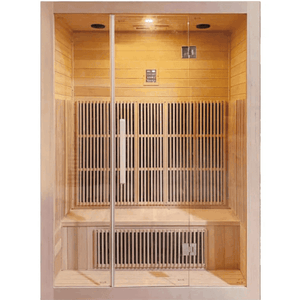
Sauna Therapy: Allowing the System to Downshift
Heat exposure works in the opposite direction.
As the body warms:
-
- Blood vessels expand
- Muscles release tension
- Circulation increases
- Stress hormones begin to drop
- Parasympathetic activity rises
- Blood vessels expand
This tells the body it’s safe to relax.
What people often feel:
-
- Gentle warmth building into deep relaxation
- Slower breathing and mental quietness
- Reduced muscle and emotional tension
- Afterward, a calm heaviness that promotes deeper sleep
- Gentle warmth building into deep relaxation
Many people only realise how tense they’ve been once the sauna forces the body to let go.
Breathwork: The Link Between Body and Mind
Breathing is the fastest way to influence the nervous system.
Used alongside cold exposure or sauna therapy, it reinforces the message of control.
Used before sleep, it lowers heart rate and quiets mental noise.
Used after stress, it speeds the return to calm.
Within minutes, controlled breathing can:
-
- Reduce anxiety signals
- Stabilise heart rate
- Improve focus
- Shift the body out of stress mode
- Reduce anxiety signals
It’s the simplest recovery tool — and often the most powerful.
From Stress Reaction to Stress Resilience
What makes these recovery tools effective isn’t just how they feel in the moment.
It’s the training effect they create over time.
Each session is a small, controlled exposure to stress followed by deliberate regulation. And each time this happens, the brain updates its response.
Instead of reacting automatically, the system learns to adapt.
This leads to:
-
- Faster recovery after difficult days
- Less emotional reactivity under pressure
- Improved ability to switch off at night
- More stable energy throughout the day
- Greater tolerance to workload, travel, and life demands
- Faster recovery after difficult days
This is resilience in a practical sense — not toughness, but adaptability.
Why This Matters Beyond Training?
Most stress today isn’t physical danger. It’s psychological load.
Emails, decisions, responsibility, deadlines, noise, and constant stimulation all trigger the same internal alarm system.
Recovery tools like ice baths and saunas give you a way to train that system intentionally.
People who build recovery into their routine often notice:
-
- They respond to stress rather than react to it
- They think more clearly under pressure
- Their sleep improves naturally
- Their mood stabilises
- Their recovery from both physical and mental effort speeds up
- They respond to stress rather than react to it
The body becomes less reactive and more capable.
Strength Isn’t Just Physical
We often associate strength with performance output.
But sustainable performance depends on something deeper: the ability to remain composed, focused, and adaptable when demands rise.
Cold therapy, sauna therapy, and breath regulation build this capacity.
They don’t remove stress from life. They help your system handle stress without being overwhelmed by it.
That’s why recovery isn’t the opposite of performance. It’s what makes long-term performance possible.
The Recover Approach
At Recover, we design recovery tools not just for physical restoration, but for whole-system regulation.
Our ice baths, saunas, and recovery solutions are built to help you:
-
- Regulate stress more effectively
- Improve sleep quality
- Maintain consistent energy
- Recover mentally as well as physically
- Build resilience to demanding lifestyles
- Regulate stress more effectively
Because true recovery isn’t about doing less.
It’s about giving your body the ability to handle more — calmly, efficiently, and sustainably.









Leave a comment
This site is protected by hCaptcha and the hCaptcha Privacy Policy and Terms of Service apply.