

One of the honest challenges with talking about longevity is that its benefits rarely arrive as a dramatic transformation.
Most people don't wake up one morning suddenly feeling twenty years younger. There is no dramatic before-and-after moment. No single intervention that changes everything overnight.
Instead, the changes are often quiet, cumulative, and deeply personal.
🔍 Quick Answer
Longevity after 50 isn't about extreme biohacking or dramatic transformation. It's about gradually noticing what's no longer limiting you — less morning stiffness, shorter recovery times, more stable energy, and the confidence to stay active. The real reward is freedom: to move, to travel, to train, and to continue saying yes to the life you've worked hard to build.
What Longevity Actually Feels Like Day to Day?
The real markers of effective longevity practice are not laboratory numbers or biomarker scores — though those can be useful tracking tools. The real markers are experienced in everyday life.
They sound like this:
The stiffness that used to greet you every morning becomes less pronounced and resolves faster.
- The shoulder that always felt tight starts moving more freely through its full range.
- The afternoon energy slump becomes less predictable and less severe.
- Recovery time after exercise gradually shortens — a hard training session no longer wipes you out for two full days.
- The background ache in your knee or lower back becomes less constant.
- You notice that your body is working with you rather than against you.
This is where longevity moves beyond laboratory markers and health statistics. It becomes something tangible. Something you can feel in your daily life.
What People Over 50 Tell Us They Actually Want?
At Recover.ae, we speak to customers across a wide age range. But the conversations with customers in their 50s, 60s, and 70s have a particularly consistent theme.
They are not primarily asking about lifespan extension. They are not asking about biological age reversal or experimental therapies.
They are asking questions like:
- "How do I keep playing padel without my knee swelling up afterwards?"
- "I want to keep skiing with my family — what can I do to recover faster?"
- "My back has been an issue for years. What actually helps?"
- "I travel a lot for work and I'm always exhausted. How do I manage this?"
- "I want to still be training in my 60s. What do I need to do now?"
These are longevity questions. They just don't look like the longevity content that dominates the internet.
The Real Reward: Freedom
The most consistent theme in every genuine longevity conversation is freedom.
|
Type of Freedom |
What It Means in Practice |
|
Physical freedom |
Moving without pain or restriction; training, walking, travelling comfortably |
|
Active freedom |
Continuing to participate in sport, adventure, and physical activities you enjoy |
|
Independent freedom |
Managing your own life without reliance on others for daily physical tasks |
|
Social freedom |
Keeping up with family, friends, and social activities without being held back by your body |
|
Mental freedom |
The confidence to commit to plans without worrying about how your body will respond afterwards |
Many people spend decades building successful careers, businesses, families, and lifestyles. Longevity, at its most practical, is about ensuring the body remains capable of enjoying what those decades have created.
Why the Subtle Changes Matter Most?
In a world of dramatic before-and-after content, it can be easy to dismiss subtle improvements as insufficient. But the subtlety is precisely what makes longevity gains sustainable and compounding.
Consider the compounding effect of these small improvements over 12 months:
- Waking with less stiffness means starting the day with more comfort and motivation to move.
- Moving more consistently means better joint health, cardiovascular function, and mood.
- Better mood and energy means more consistent training and healthier dietary choices.
- Shorter recovery times means being able to train more frequently without accumulating damage.
- Better sleep means improved hormonal balance, recovery, and cognitive function.
Each improvement reinforces the others. The gains compound quietly over months and years — and the person who committed to these habits in their early 50s arrives at 60 in a fundamentally different physical position than someone who didn't.
Recovery Practices That Matter Most After 50
The physiology of recovery changes with age. Certain interventions become more important and more impactful as the body's natural recovery mechanisms slow.
|
Practice |
Why It Matters More After 50 |
Practical Application |
|
Cold therapy (ice baths) |
Faster management of post-exercise inflammation; nervous system resilience |
2–4x per week; 10–15 minute sessions |
|
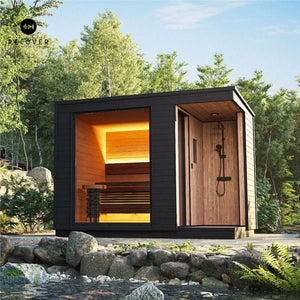
Sauna / heat therapy |
Cardiovascular conditioning; heat shock proteins support cellular repair; stress management |
3–5x per week; 15–30 minute sessions |
|
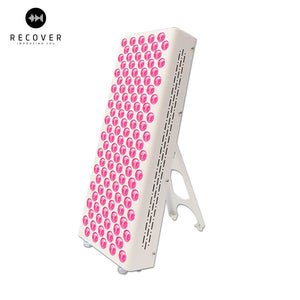
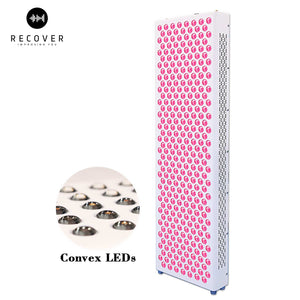
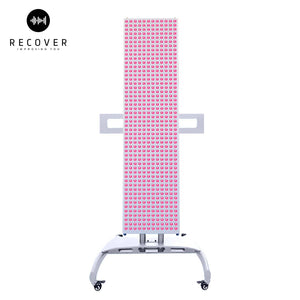
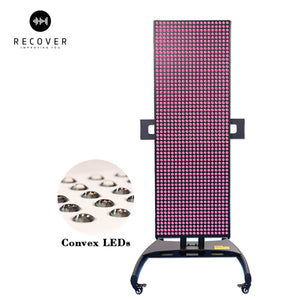
Red light therapy |
Mitochondrial support; joint inflammation; skin integrity; sleep regulation |
Daily; 10–20 minutes; full panel coverage |
|
Strength training |
Preserving muscle mass (sarcopenia prevention); bone density; metabolic health |
3–4x per week; prioritise compound movements |
|
Sleep optimisation |
Growth hormone peaks during deep sleep; cognitive repair; hormonal regulation |
Consistent timing; 7–8 hours; dark, cool environment |
|
Hyperbaric oxygen therapy |
Tissue oxygenation; cognitive performance; systemic recovery support |
3–5x per week; 60–90 minute sessions |
|
Mobility and flexibility work |
Joint integrity; injury prevention; functional movement capacity |
Daily; 10–20 minutes; focus on key joints |
What Getting Started Actually Looks Like?
One of the most common misconceptions about longevity practices is that they require a complete lifestyle overhaul to have any impact. They don't.
The research consistently shows that even modest, consistent improvements in sleep, movement, and recovery produce meaningful benefits — particularly for people who have not previously prioritised these areas.
The barrier to entry for meaningful longevity benefit is lower than most people assume. The challenge is not complexity — it's consistency.
Starting points that consistently produce early results:
- Fix your wake time — the single highest-impact sleep intervention available.
- Add one dedicated recovery session per week — sauna, cold plunge, or red light — and build gradually.
- Prioritise protein intake to support muscle maintenance (particularly important after 50).
- Add 10–15 minutes of daily mobility work for the joints that feel most restricted.
- Track how you feel over 4–6 weeks — not just biomarkers, but energy, stiffness, and recovery speed.
The Goal: Arriving at 60, 70, and Beyond Still Capable
The ambition isn't to feel 25 again. The ambition is something more realistic and ultimately more rewarding.
It's to arrive at 60 still playing sport with your friends. To be at 65 and still travelling comfortably. To be at 70 and still training. To continue saying yes to the activities and experiences that make life meaningful.
Because the goal isn't simply to add years to life.
It's to add capability, freedom, and engagement to every year you have.
Related Reading
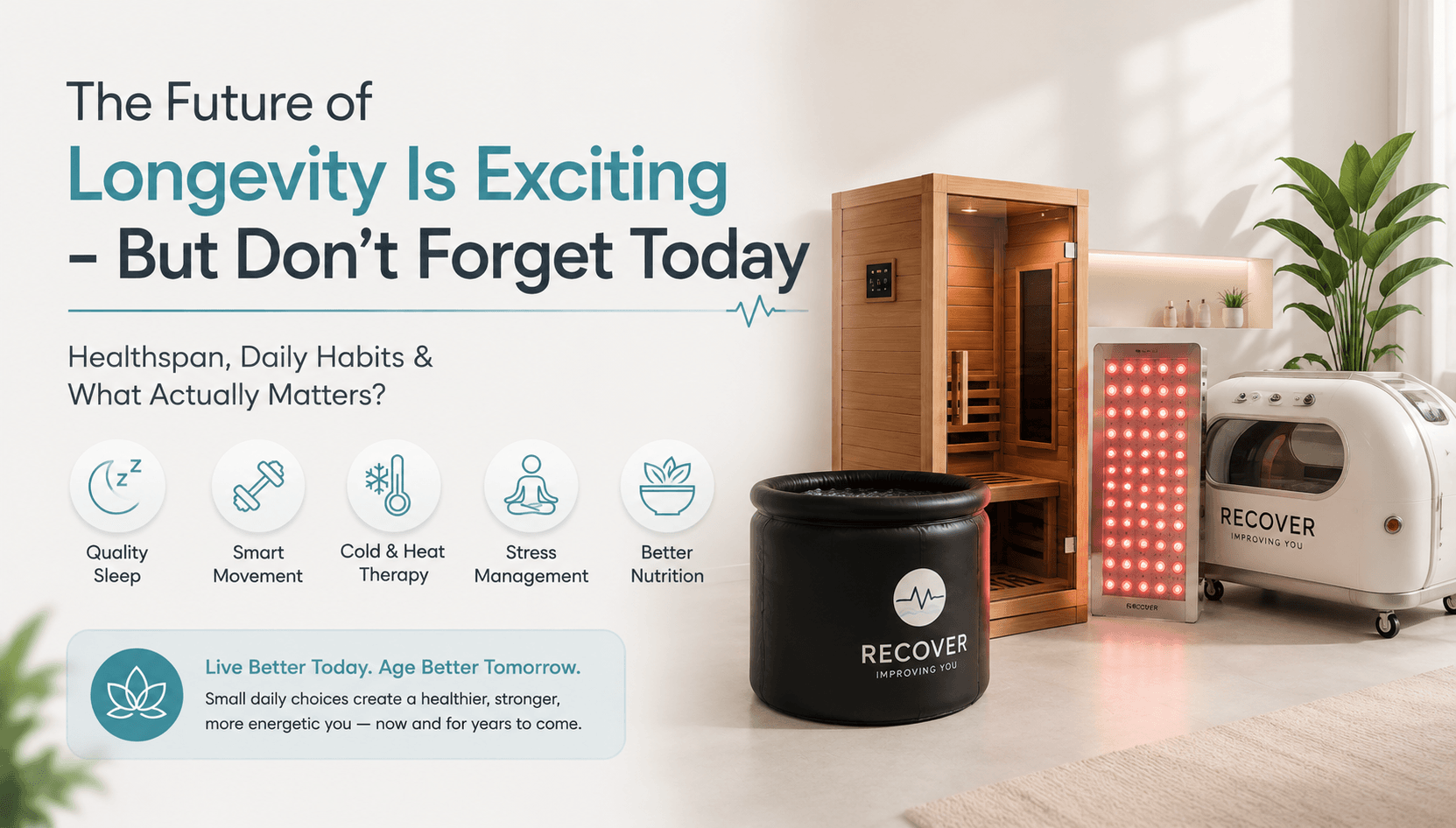
Why today's habits matter more than future breakthroughs: The Future of Longevity Is Exciting — But Don't Forget About Today
How sauna supports healthy ageing: What Are the Real Benefits of an Infrared Sauna — and Are They Worth It?
Cold therapy and longevity: Can Cold Exposure Really Help You Burn Fat? Here's What the Science Says
HBOT and longevity in the UAE: Hyperbaric Oxygen Therapy and Longevity
How to track your recovery improvements: How to Use Wearable Devices to Monitor the Benefits of Ice Baths
Build a complete recovery routine: Recover Harder: Optimising Recovery Routines to Maximise Gains
Ice baths for sleep improvement after 50: Using Ice Baths in Dubai to Improve Sleep for High-Stress Individuals











Leave a comment
This site is protected by hCaptcha and the hCaptcha Privacy Policy and Terms of Service apply.