

Rugby isn’t just tough — it’s demanding in ways most sports aren’t.
Every session involves collisions, grappling, sprinting, and repeated impacts. Whether you’re a teenager learning the game, a club player juggling work and training, or a parent watching from the sidelines, one thing is consistent:
Rugby doesn’t just test how strong you are — it tests how well you recover.
What keeps rugby players playing, improving, and staying injury-free isn’t just training harder.
It’s recovering properly — and doing it consistently.
The good news?
Those recovery tools are now easier than ever to build into everyday life.
The Real Demands of Rugby (At Every Age)
Rugby places unique stress on the body:
- Repeated collisions and tackles
- Joint and connective tissue load
- Muscle soreness from contact, not just running
- Nervous system fatigue from constant physical engagement
For teenagers, this happens while the body is still growing.
For adults, it happens on top of work, school runs, stress, and limited sleep.
Recovery isn’t optional — it’s how players:
- Stay available for selection
- Reduce injury risk
- Improve performance week to week
- Enjoy the game for longer
Recovery Only Works When It’s Easy to Repeat
Rugby players who last don’t rely on motivation.
They rely on:
- Simple routines
- Repeatable habits
- Recovery that fits around real life
That’s where modern recovery tools make the biggest difference — they remove friction and make consistency possible.
1. Sleep Comes First (Especially for Teens)
For young rugby players, sleep is where:
- Growth happens
- Muscles adapt
- Hormones regulate
- Injuries heal
For adults, sleep is where:
- Stress drops
- Recovery catches up
- The body resets
Recovery tools should support sleep, not interfere with it.
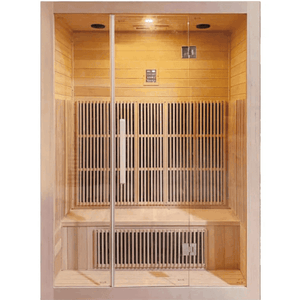
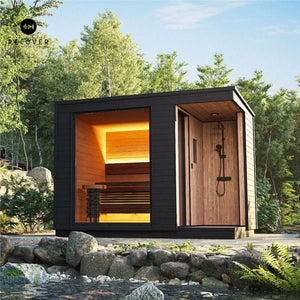
A short sauna session in the evening can help:
- Relax muscles after contact
- Calm the nervous system
- Create a clear wind-down routine
This is particularly valuable in the UAE, where late evenings and air-conditioning can disrupt natural sleep rhythms.
2. Rugby Recovery Is About the Nervous System Too
Rugby isn’t just physically tiring — it’s mentally and emotionally demanding.
Constant contact keeps the body in a heightened state of alert.
Cold exposure helps rugby players:
- Reset after training or matches
- Improve stress resilience
- Build mental toughness in controlled doses
For teens, this should always be short and supervised.
For adults, it becomes a powerful tool for managing stress as well as recovery.
The key isn’t extremes — it’s control and consistency.
3. Consistency Beats “Hardcore” Recovery
Rugby culture often glorifies toughness.
But the smartest players recover little and often.
That means:
- Short, repeatable cold exposure
- Regular heat sessions
- Simple routines done weekly, not occasionally
Recovery works because it’s consistent — not because it’s brutal.
Home recovery tools make this achievable without relying on ice bags, last-minute solutions, or skipped sessions.
4. Staying Available Is the Real Win
At every level of rugby, the most valuable players are the ones who:
- Miss fewer sessions
- Recover faster between games
- Stay physically and mentally fresh
For teens, this means:
- More development time
- Fewer enforced breaks from injury
For adults, it means:
- Balancing rugby with life
- Playing longer into later years
Recovery isn’t about being softer — it’s about being smarter.
5. Making Recovery Part of the Routine
Rugby players who recover well don’t ask if they’ll recover — only when.
At home, this can be simple:
- Cold exposure after training or matches
- Sauna sessions on rest days or evenings
- Contrast therapy during heavier training weeks
When recovery tools are always available, they slot naturally into the week — just like training sessions do.
6. Playing the Long Game (For Life, Not Just This Season)
Rugby careers — at any level — are shaped by:
- Joint health
- Muscle quality
- Stress management
- Injury prevention
Whether you’re 15 or 45, the goal is the same:
Stay strong, stay available, and enjoy the game longer.
Recovery isn’t something you earn after you’re broken.
It’s something you do so you don’t get there.
Recovery Is No Longer Just for the Pros
What used to require access to a professional training facility can now live at home:
-
Ice baths for controlled cold exposure
-
Saunas for muscle and nervous system recovery
- Simple contrast routines that fit real schedules
At Recover, our systems are designed for real rugby players and real families — built for consistency, safety, and everyday use in the UAE.
Recover Like a Rugby Player
Train hard.
Recover smarter.
Play longer.












Leave a comment
This site is protected by hCaptcha and the hCaptcha Privacy Policy and Terms of Service apply.